MAFSI 2024 Regional Handouts/Materials

Thank you for attending!

You Need MAFSI MAFSI Needs You Logo_You Need MAFSI Outline Text Green-1
WeAreMAFSI White Letters Transparent Background 500 x 500
Below you will find our regional meeting online handbook and FAQ.

This webpage will always be live, so you can reference it often.

We do not expect that you read the manual before the regional meeting.

Thank you for your membership and participation in MAFSI. You have a lot to be proud of. Did you know?

  • We are second largest industry-specific rep association in North America.
  • We are home to 2,800 proud sales and marketing professionals who Share an unbridled enthusiasm and commitment to the commercial foodservice Industry and the rep-manufacturer method of marketing...and growing every day
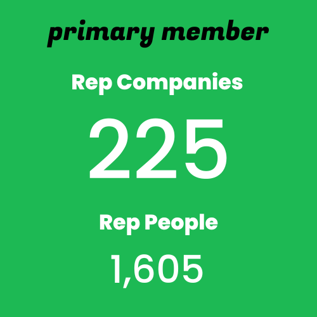
  • We have 225 Professional Rep Agencies with 1,600+ feet on the street proud to be 
    MAFSI Reps
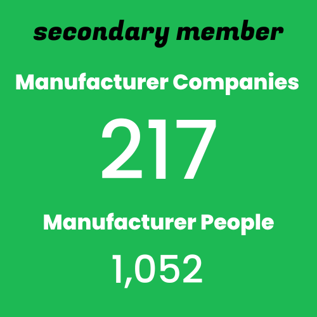
  • We have 218 Manufacturers proud of the way they go to market with 80% of the overall manufacturers in the industry using MAFSI Reps
  • There are 45 Associate Members who support the rep function.
  • For 76 years MAFSI has proudly served the needs and been the advocate of our Rep and Manufacturer members
Manufacturers' Agents Association for the Foodservice Industry (MAFSI)
1199 Euclid Avenue, Unit 1 ●
Atlanta, GA 30307 ● TEL: 404-214-9474 ● FAX: 888-254-0033
info@mafsi.orgwww.mafsi.org


MAFSI Regional Meeting Handouts/Materials

Click on the green buttons to view the sections.

MAFSI Committee Updates

Membership & Marketing Committee

Video Play Button 3-01
Membership & Marketing Video


1
23 Regional Meetings

Region meetings are as important to members’ continuing growth and success as national MAFSI events, and they are a priority of this committee.

Learn More

2
Prospect Campaign

Our passion is the rep-manufacturer method of marketing – and there’s no way to do that well without the partnership of all the great reps and manufacturers in the industry. If you know a prospect, or you are a prospect, check out our 2-Year Membership.

Learn More

3
Free Legal Services for Reps

MAFSI rep members to receive free services or services at a reduced rate on such matters as
pre-hiring, contracts, protecting commissions, and resignation and termination.

Learn More

4
Looking for New Partners

Bringing the best reps together with the best manufacturers is at the core of MAFSI's mission. Our Looking for New Partners service makes it easier for our members to find each other.

Learn More

5
MAFSI Messenger

What’s New. What’s Now. MAFSI Messenger is your your ultimate bi-monthly resource for association news and industry insights.

Learn More

Research, Data & Trends (RD&T) Committee

Video Play Button 3-01
RD&T Video


1
Quarterly Business Barometer Survey

For over 20 years, MAFSI's Business Barometer has been the leading economic indicator for the 15-billion-dollar foodservice industry and relied on by both our manufacturers, Wall Street and the industry when measuring sales. The quarterly Barometer, completed by MAFSI rep firms, breaks down the market both nationally and regionally, into fourteen product categories and equipment sub-categories.

Recently, we created a new Excel Tool for rep firms to easily complete the Business Barometer. This tool is just like it sounds; it is an Excel spreadsheet that has been formatted to calculate the percentages needed for your Quarterly Barometer Survey.

Learn More

2
Rep Firm Benchmarking

How is your rep firm performing? To grow your business, you need to know where you stand. Benchmarking tells you where your organization stands within the industry and more specifically, how you compare to peer organizations. That is the benefit of benchmarking.

This survey, is FREE for MAFSI Rep Firms, as MAFSI pays the $8,000 fee to conduct this survey. We facilitate the survey each year so rep firms can collect valuable data year after year to measure and see how their firm is changing.


Learn More

3
GBFSI Podcast

MAFSI's podcast — “The Good, The Bad, and The Foodservice Industry” — debuted on June 29, 2023. Podcast hosts Mike Colligon, Chris Jeens, and Shaun Gallagher keep you up-to-date on the hottest, most controversial, and cutting-edge trends in the foodservice industry. All three are members of the MAFSI Board of Directors and the Research, Data and Trends Committee.  Listen on your favorite podcast app, or watch on YouTube.

Learn More

4
Trends & Research

RD&T identifies, evaluates and focuses on industry and external trends to provide actionable, forward-looking data and tools so that MAFSI can strategically expect and meet the needs of our members.

5
Rep Firm Involvement for Barometer

This slate of tools and reports explore the trends that are shaping the future performance of the channel allowing for sharper forecasts, insights into trends, and outside factors that affect the foodservice industry. But, we are only as good as our data, and for that we need all rep firms to be involved.

Are you a rep firm and need to complete your barometer survey or benchmarking surveys, but don’t receive the emails?

Email our Survey Company

Rep Firm of the Future (RFOF) Committee

Video Play Button 3-01
RFOF Video


1
Evolving Expenses

MAFSI is looking to bring attention to the level of investment that you have made in order to provide the best level of representation for your manufacturer partners.


Recently, we compared expenses rep firm expenses for 5 categories. Click on the link below for the preliminary results. More materials to follow in the Rep Firm Toolkit, launching October 31st.

Learn More

2
Rep Firm Toolkit

Launching October 31st – login to MAFSI’s new rep firm toolkit - housing exclusive rep guidelines and best practices.

3
This Year

We’ll continue to add items to the Rep Firm Toolkit as we lead up to the NAFEM Show ’25.

4
Next Year

We’re working on Line Overlap, AI, compiling the latest technology tools and creating resources for the shifting balances in sales, marketing and admin.  


5
5 Years

The sky’s the limit. Just know that MAFSI and the RFOF Committee are here to launch you towards success, both now and in the future.

Digital Training & Education (DT&E) Committee

Video Play Button 3-01
DT&E Video


1
Pantry of Knowledge (POK)

Supercharge Your Workforce! Choose from 800+ courses covering every topic, including the highest in-demand learning for just $299 per year.


Learn More

2
Foodservice 101

The industry's only training on the channel and channel partners. The 4+ hour online, self-paced Foodservice 101 curriculum is $199 per person for members.

We offer bulk discounts when you sign up more than 5 employees, plus all Canadian members receive an 20% off all Foodservice 101 purchases for the exchange rate.

  • 5 to 9 Users - $179 per person

  • 10 to 14 Users - $159 per person

  • 15 to 19 Users - $139 per person

  • 20+ Users - $99 per person

  • Canadian Users: Coupon Code = Canadian to receive 20% off for Exchange Rate

Learn More


3
Using POK and FS101 in Your Business

Use Foodservice 101 and POK to tie talent development to performance and outcomes. After training their staff on the foodservice industry, our reps and manufacturers are using POK for onboarding, performance measurement, job reviews and job promotions. Recognize or require POK certifications to confirm competency when hiring or training for excellence in sales, marketing or software skills. Our Learning Path Certifications in Business Skills, Inside Sales and Outside Sales, Marketing Skills and Leadership Skills help your employees achieve and maintain their career goals and drive growth for your company.

4
POK and Foodservice 101 - Now CFSP Approved!

The Pantry of Knowledge and Foodservice 101 are now approved for CFSP credits from NAFEM.

Learn More

5
Win a POK or FS101 Subscription!

To celebrate our CFSP partnership with NAFEM, and to reward you for your commitment to MAFSI by attending the meeting we’ve entered attendees, both in-person and virtually, in a drawing to win your choice of either a year subscription to MAFSI’s Pantry of Knowledge (POK) ($299 value) or Foodservice 101 ($199 value). You can use it for yourself, or someone else in your company or a future new hire. Good luck! Winner announced during meeting.

SpecPath & Industry Data Sharing Committee

Video Play Button 3-01
Why is SpecPath Needed? Video


Video Play Button 3-01
SpecSpotter Video


Video Play Button 3-01
SpecQuote and New SpecPath Modules Video


1
SpecPath

80% of MAFSI Equipment Reps use SpecPath, a browser-based software program that turns your paper PDF foodservice specs into valuable data for the effective tracking of all 11-4000 projects in North America.


Learn More

2
SpecSpotter

SpecSpotter is an easy, web-based interface where customer service or accounting staff at the rep or manufacturer can mark projects awarded and enter the PO Number by without having to create an account in SpecPath.  


Learn More

3
SpecQuote

If you’re a rep subscribed to SpecPath, you’re a fan of time-saving features, and you’re ready work even faster, SpecQuote is the integration from AutoQuotes you’ve been waiting for.

Learn More

4
My Product Categories

Introducing My Categories, free for SpecPath subscribers. Know your spec share with My Product Categories and benchmark your brands against your competitors.

Subscribe to SpecPath to learn more.


5
My Business Intelligence (B.I.)

Put your efforts on driving spec to work using My Business Intelligence (My B.I.) – new from SpecPath!

Learn More

Conference Planning Committee

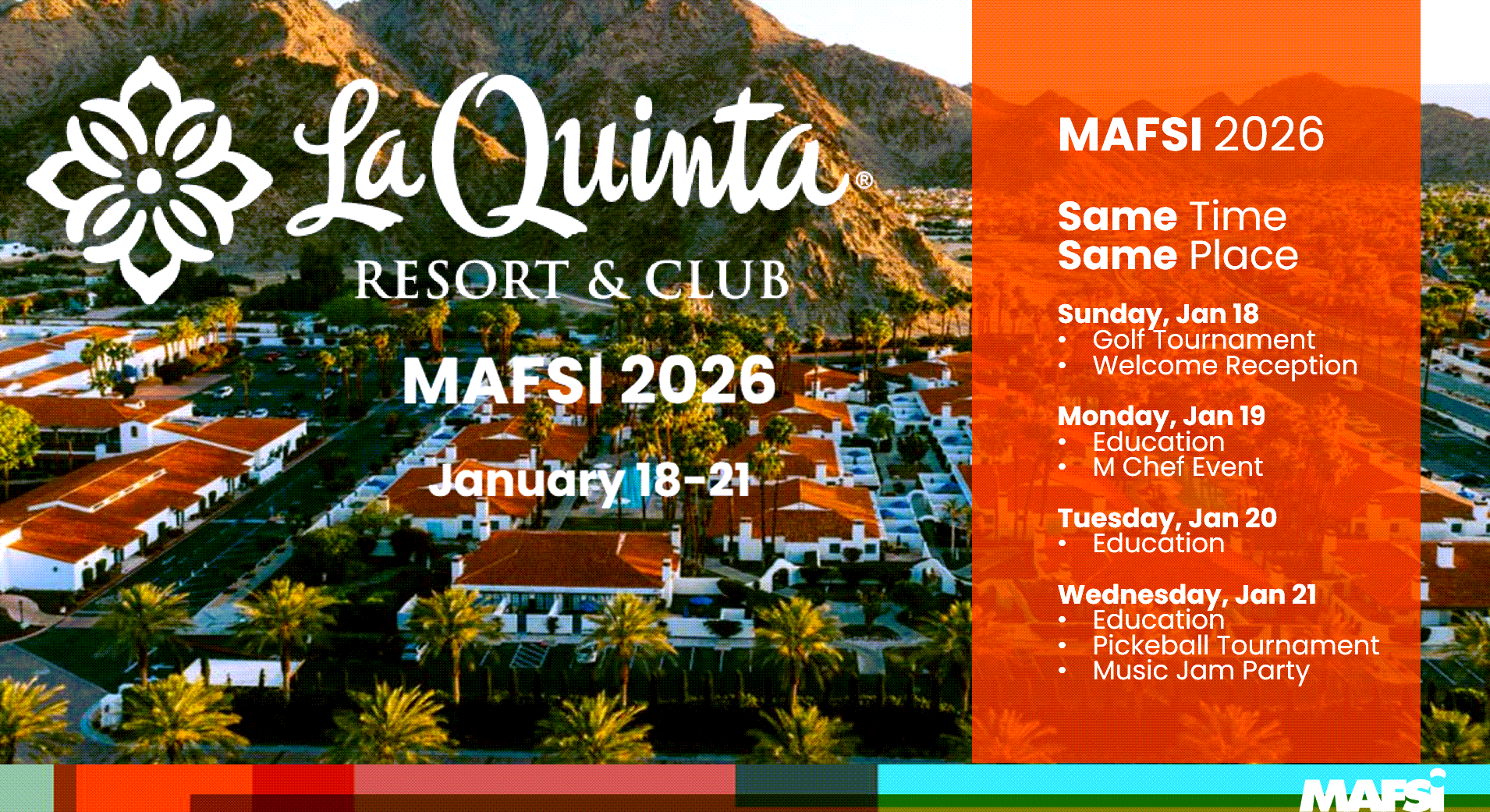
2026 Conference  PowerPoint Slide Graphic


1
Largest Industry Education Event

750+ reps, manufacturers, and associate members convene every two years for the MAFSI Conference. Miss it, and you miss everything.

More details coming soon.


2
70% of Rep Firms in Attendance

The one venue for foodservice reps and factories meet with peers, learn new methods of doing business, discuss mutual solutions, compare their operations.

More details coming soon.

3
40+ Education Sessions

40+ unique session topic keynotes, breakouts,  roundtables and panel discussions, to generate new recommendations, tools and resources.

More details coming soon.

4
Unparalleled Networking

Meet peers outside your immediate trading area and gain new insights into trends and innovation.

More details coming soon.


5
Rising Star Attendance

Over one-third of our attendees are under the age of 40. They know the importance of the MAFSI Conference. Show them you do too!

More details coming soon.

M Chef Committee

Video Play Button 3-01
M Chef Video


1
M Chef Certification for Rep Chefs!

Calling all Rep Chefs and Rep Firm Principals. M Chef Certification is for you!

More information on October 31st.

2
M-Chef 1-Star Certification

Have you worked as Chef De Partie, have your CFSP and worked at a Rep Firm for at least two years? Get M Chef 1-Star certified!


More information on October 31st.


3
M-Chef 2-Star Certification

Climb the chef ladder and reach for two stars. Requirements include past experience as a Sous Chef, Culinary degree and four years at a rep firm.

More information on October 31st.

4
M Chef 3-Star Certification

Become 3-Star certified if you have been an Executive Chef, have 20 years experience and hold a professional degree in Food Science or Food Studies.

More information on October 31st.


5
M Chef Launch Date

M Chef will launch in MAFSI's Foodservice Academy on October 31st.

Five Families

This image is missing an alt tag
1
NAFEM

Our #1 Partner! The manufacturers from the North American Association of Food Equipment Manufacturers (NAFEM).

Learn More

2
CFESA

Reps and Service Agents from the Commercial Food Equipment Service Association (CFESA) are two of kind!

Learn More

3
FEDA

Our dealer partners are members of the Food Equipment Distributors Association (FEDA).

Learn More

4
FCSI

Our designer friends belong to the Foodservice Consultants Society International (FCSI) – The Americas.


Learn More


5
Why Foodservice Rocks!

We know our industry rocks! Soon the rest of the world (and job seekers) will know too!

Learn More

MAFSI Traction EOS


EOS Traction Materials

What the Heck is EOS

What the Heck is EOS?

This book gives you the "cliff notes" version of EOS.

MAFSI Core Values

We are...Member focused.

We are...Advocates for the rep function.

We are...Foodservice Industry experts.

We are...Service and resource creators.

We are...Innovators.


Mafsi_Core_Focus_Logos 2024_MAFSI 2024 Core Values Logo Main Editable Text


MAFSI Core Focus

We Elevate our members’ business,
their processes, and their people through
Advocacy, Education and Collaboration.


Mafsi_Core_Focus_Logos 2024_MAFSI 2024 Core Focus Logo Main Outlined


MAFSI Target Market

Independent sales and marketing agencies, manufacturers and associate partners in the foodservice equipment, supplies, tabletop and  furniture industry.

Mafsi_Target_Market_Logos 2024


MAFSI Niche

Trade Association for Independent Manufacturers’ Representatives

Mafsi_Niche_Logos 2024


MAFSI Three Uniques

  1. We rep the rep!
  2. Only association developing resources and technology for independent foodservice reps and their manufacturer partners.
  3. We shape future practices through mentorship, networking, and education.
Mafsi_Three_Uniques Logo 2024


MAFSI Guarantee

Our guarantee is to provide truly exceptional offerings, and service.  We won’t be happy until you are.

If you are not satisfied with the value you receive from MAFSI, simply let us know and we will refund your membership, product or service.

Your complete satisfaction is guaranteed!

Mafsi_Guarantee Logo 2024


MAFSI Proven Process

To be completed by 12/31/2024.

Mafsi_Proven_Process Logo 2024


MAFSI Leadership/MAFSI Programs

Price List - Dues and Program


Print MAFSI Price List

Programs and Services

MAFSI is a member-driven and member-focused organization, where participation is the essence of our association. Below are the various benefits available to our valued members.

Learn More

This is MAFSI/Code of Ethics Info

What is a Trade Association?

The official definition from the IRS is: “In general, an association is a group of persons banded together for a specific purpose.” That leaves a lot of room for interpretation, since associations are formed for an enormous variety of purposes and provide a huge range of products and services for their members and, in many cases, for society at large.

A sense of community coordination is at the heart of the association profession. People voluntarily join associations because they want to work together on a common cause or interest. America’s associations have deep roots in our history. The first American settlers formed “guilds,” patterned after British traditions, to address common challenges and support each other’s work and lifestyle. In 1830, French statesman and author Alexis de Tocqueville toured America and remarked that the new nation seemed to be succeeding so well at democracy because Americans of all ages, all stations of life, and all types of disposition were forming associations.

This trend toward community coordination has shaped and advanced America since its birth and has historically set America apart from many other nations (although associations or “non-governmental organizations” are now growing in number internationally, as well). While the complexity of associations and their role has evolved, today’s associations still share the purpose of coming together to produce positive results.


Q: How many associations are there?
A: The short answer is, lots. And the number keeps growing every year. The overall tax-exempt community, numbers more than 1.9 million in the U.S.

This community is comprised of trade associations, and individual membership organizations or professional societies, organized under Section 501(c)(6) of the tax code; and philanthropic organizations, organized under Section 501(c)(3).

According to the IRS Data Book, in 2013 there were 66,985 trade and professional associations and 1,052,495 charitable and philanthropic organizations.


Q: Why are associations tax-exempt?
A: The first integrated federal income tax statute, enacted in 1913, provided exemptions for business leagues, as associations were known at that time. The 1913 Act also provided exemptions for charitable, scientific, or educational organizations.

Congress first gave associations favored tax treatment largely in recognition of the benefit the public derives from their activities. The legislative history also indicates that the exemption was based upon the theory that the government is compensated for any loss of tax revenue by its relief from the financial burden that would otherwise have to be met through appropriating public funds. In simple terms, associations earn their exempt status by meeting many of the needs of their members and the general public that the government would otherwise have to meet.

As tax-exempt entities, associations are barred from accumulating equity appreciation for private benefit. Instead, these organizations undertake programs or initiatives to benefit members and the public rather than private individuals. Their earnings, therefore, must be dedicated to furthering the primary purpose for which they were organized.


Q: How do associations benefit their members?
A: Associations are organized for all types of purposes, but there are some recurring benefits they typically provide their members, including:

  • Education / professional development
  • Information, research, statistics
  • Standards, certification
  • Forum (face to face or virtual) to discuss common problems and solutions
  • Service / mission oriented – volunteerism and community service
  • Provide a community, network, “home”, identity, participation


Q: How do associations benefit society?
A: Although they are membership organizations, many of the contributions made by associations today are vital to society and to maintaining our quality of life.

Hundreds of national, state, and local associations coordinate assistance to individuals and families in times of natural disaster or urgent need. Others write product standards for everything from children’s toys to airline and traffic safety. Still more invest millions of dollars to advance the post-college professional training of our nation’s workforce.

With their membership networks and communication vehicles, associations are uniquely prepared to respond with aid when America needs them most. A community of varied interests and missions, associations tend to move with one purpose in moments of crises. The outshoot of many of the community service initiatives started by associations is that they encourage volunteerism. By logging nearly 200 million volunteer hours in community service each year, associations empower people to get involved in issues and crises that affect their communities and their quality of life.

What is MAFSI?

MAFSI is a 76-year-old, professional trade association comprised of 220+ independent sales agencies and 200+ manufacturers of commercial foodservice equipment, supplies, tabletop and furniture. 

MAFSI represents over 2,800 sales and marketing professionals and manufacturing executives across North America and internationally who are a major force in the 15-billion-dollar equipment, supply, tabletop, and furniture segment of the foodservice industry.

Primary Member - Rep Companies

Our Primary Members, our Rep Companies, are the factory sales’ representative agency whose role is to professionally market foodservice their products for their manufacturers, on a wholesale basis, and serve as the local factory branch office for dealers, consultants, and operators.

Primary Member - Reps

Secondary Member - Manufacturer Companies

Because of the interdependent relationship between manufacturers and representatives, MAFSI is committed to 1,500 manufacturer that serve our industry - 200+ of which are Manufacturer Company Members, our Secondary type of membership.

Fundamental to manufacturers, of course, is to deliver their product to market in the most efficient and thorough method. More than 80% of the brand names the foodservice industry buys are marketed through MAFSI REPS.

Secondary Member - Mfgs

Tertiary Member - Associate Companies

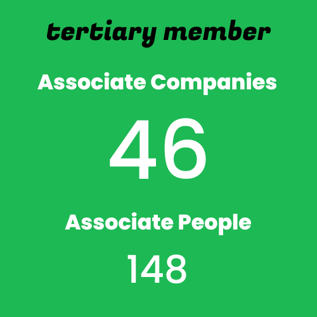
Our Associate Companies are our tertiary class of membership, representing 46 companies.

Tertiary Member - Associates

We strongly believe that the independent representative is more closely in touch with market trends affecting dealers, consultants, service agents and end users than any other segment in our industry’s various distribution channels. They truly are the window to the marketplace.

Who We Are

MAFSI, the Manufacturers' Agents Association for the Foodservice Industry, is a 76-year-old non-profit trade association comprised of 220+ independent manufacturers' representative sales agencies, 200+ manufacturing companies and 45+ associate partners in North America selling and marketing commercial foodservice equipment, supplies, tabletop, furnishings and jan/san/disposables. Our members provide any non-food product that goes into restaurants or non-commercial establishments such as schools, hospitals, hotels, stadiums, prisons, etc.

MAFSI Number of Member Companies


What We Do

Representing over 2,800+ manufacturers’ sales reps, manufacturing executives, sales managers and customer service managers, and associate partners across North America, MAFSI provides education, market forecasting, online training, specification tracking software, networking and partnership opportunities, industry stewardship, guidelines and resources, and member advocacy for the $14.5 billion commercial foodservice equipment, supply, tabletop, furniture and janitorial, sanitation and disposables industry.

MAFSI Companies and Members Standalone


How We Do It

MAFSI purpose is to represent the professionalism of our outsourced sales reps to the industry through providing business information which in turn increases their visibility and reinforces their authority as the expert in the field for manufacturers and foodservice industry.

MAFSI exists to support its members in optimizing the professional outsourced field sales function in the foodservice industry by providing unique educational initiatives, promoting the value of independent manufacturers' representatives, and is the voice and advocate for our members. MAFSI ensures the rep is an unchallengeable partner to our manufacturers.

Our formula for success is simple: recruit top-ranking reps and manufacturers, offer innovative, world-class professional training, surround members with a solid network of trusted peers and industry experts, combine that with superior member support, and the result is a business that is positioned for success and profitability within the global foodservice industry.

MAFSI Provides:

  • Information. MAFSI offers a searchable database of our members, which includes over 220+ of the best rep firms and 200+ manufacturers. The Online Rep Locator is the perfect way to reach the people that count in the industry and is THE place sales managers look for professional representation in North America.
  • Advocacy. MAFSI is your ambassador representing your voice, your interests, and your concerns to the industry. We act as your spokesperson, when alone your voice would only be a whisper.
  • Education and Resources. From stellar professional and career development to our valuable Business Barometer quarterly sales analysis; unmatched education at the MAFSI Biennial to our online resource library...we give you the tools you need to enhance the rep-manufacturer method of going to market.
  • Networking & Partnerships. Successfully connecting reps and manufacturers since 1949, MAFSI provides a means of cooperation between competitors for mutual self-interests. We give you the opportunity to know your business associates, gain their friendship and respect and offer a medium of exchange with others having similar business successes and struggles.
  • Collaboration. We provide a forum in which your views can be expressed and give you a means by which you can help shape industry practices and policies.

MAFSI History

In 1948, a small group of salesmen gathered in the home of Mr. Glen Burt in Scituate, Massachusetts. Their goal was to form an organization to help new men flourish in the foodservice industry. Some of the 6 or 7 men in attendance were Arthur Pinsley, Wayne Bellinger, and Glen Burt. The New England group elected Glen Burt as president and Arthur Pinsley as secretary. This momentous meeting led to what has become today's Manufacturers' Agents Association for the Foodservice Industry.

history mafsi

In May of 1949 this group traveled to the National Restaurant Show, which was by far the largest trade show in the industry. During this show, rumors traveled of a letter written by one of the important dealers in the industry, suggesting that instead of giving commissions to the sales reps, they give these commissions to the distributors, thus cutting the agents' job. This letter bred a great deal of hostility and a meeting was called to discuss the issue. Several hundred men gathered in a large hotel in Chicago and this meeting created the necessary fire for the formation of the Marketing Agents for the Food Service Industry.
 
Agents then banded together all over the country and in 1949 MAFSI became a national organization. In 1950, Mr. Arthur Ollian, an attorney from Harrisburg, PA, was hired as MAFSI's first paid executive secretary. With his help, the first MAFSI Constitution and Bylaws were created. Soon after, the first MAFSI Code of Ethics was established.

MAFSI's focus shifted in the early 50's. They found that in order to sell equipment, the manufacturer's catalogs were not technical enough. Through the efforts of both agent and manufacturer, better catalogs were developed. Out of this MAFSI created an associate membership where manufacturers joined the organization to support the rep function. Annually, the group met at the National Restaurant Show in Chicago. This became harder and harder every year, due to the amount of meetings agents were expected to attend. 

MAFSI 1980-2

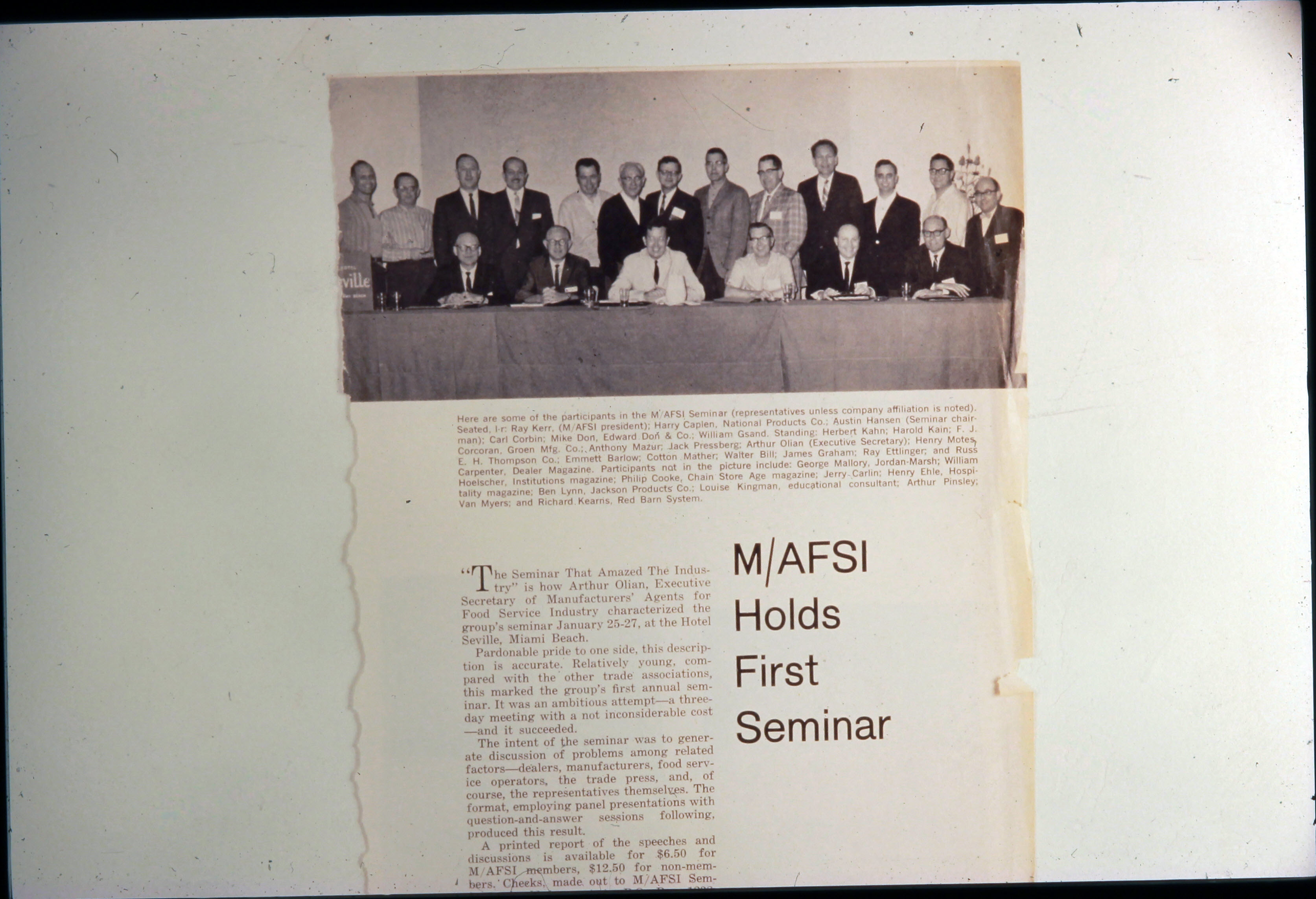
In 1963 Ollian decided to hold the first ever MAFSI Marketing Conference. The attendance was less than 100 salesmen, but what they found was the exchange of information, gathering different points of view from different parts of the country, was priceless. Ollian's tenure ran short, as he died in the early 60's. But his strength was carried forth by the founding members of the association.

First Seminar

In 1985 the management of the organization moved from New York to Chicago and in 1997 to Atlanta. Through the years, MAFSI has been the central force in advancing the food service industry forward.

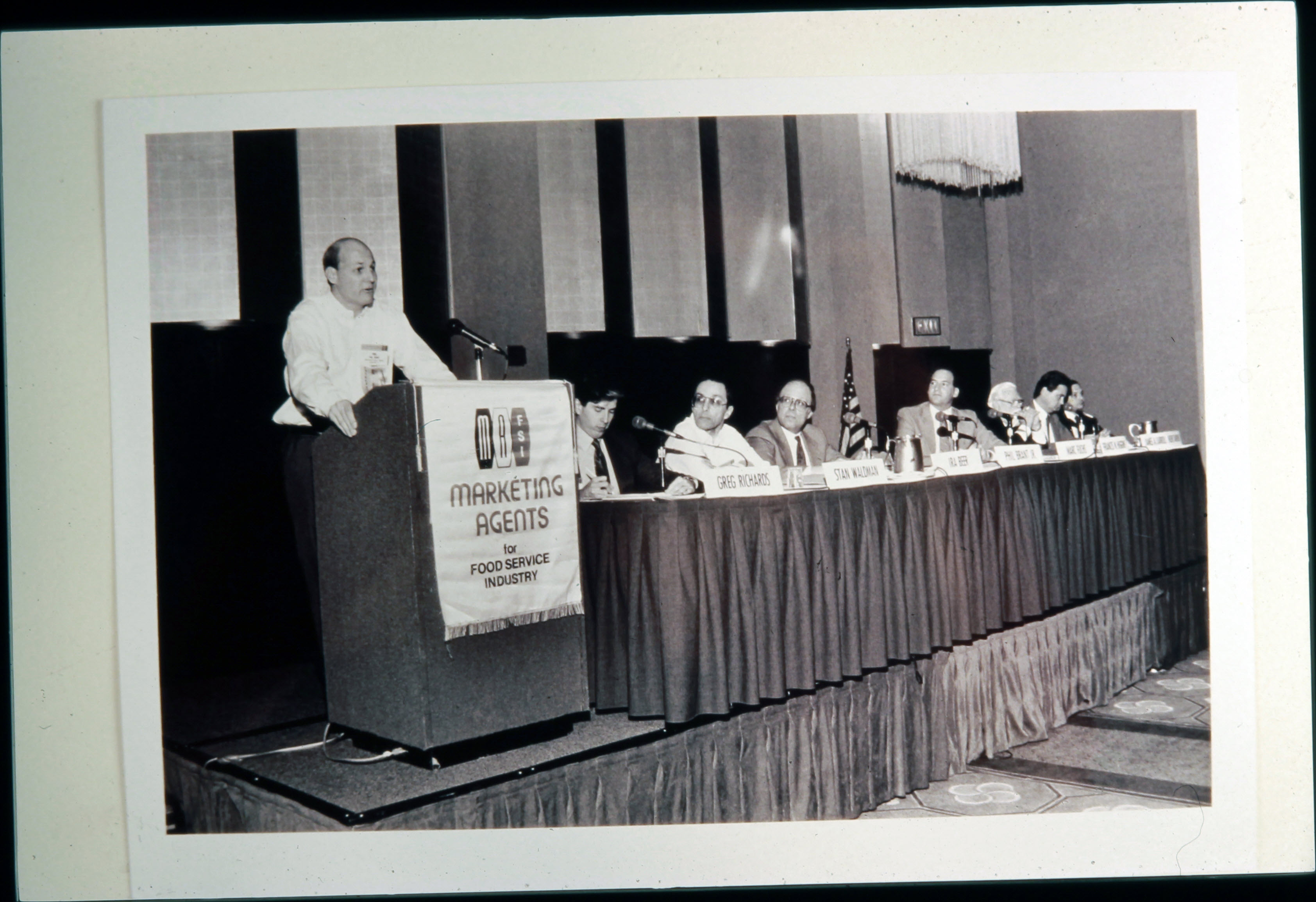
In the early nineties, MAFSI changed its name from the Marketing Agents for the Foodservice Industry to the Manufacturers' Agents Association for the Foodservice Industry, thus identifying the broader spectrum of the independent multiple line sales' agency function.

Today, MAFSI has grown from a small start-up to a world-renowned association in the foodservice industry. With a growing membership base of the top rep and manufacturer companies, the association represents more than 2,700 individuals across North America. MAFSI is an outstanding example of the power of the cooperative and voluntary efforts of its members in a rich tradition that shall continue throughout the next century.

Organization Chart

MAFSI Org Chart 2024 (2)

MAFSI National Leadership Descriptions

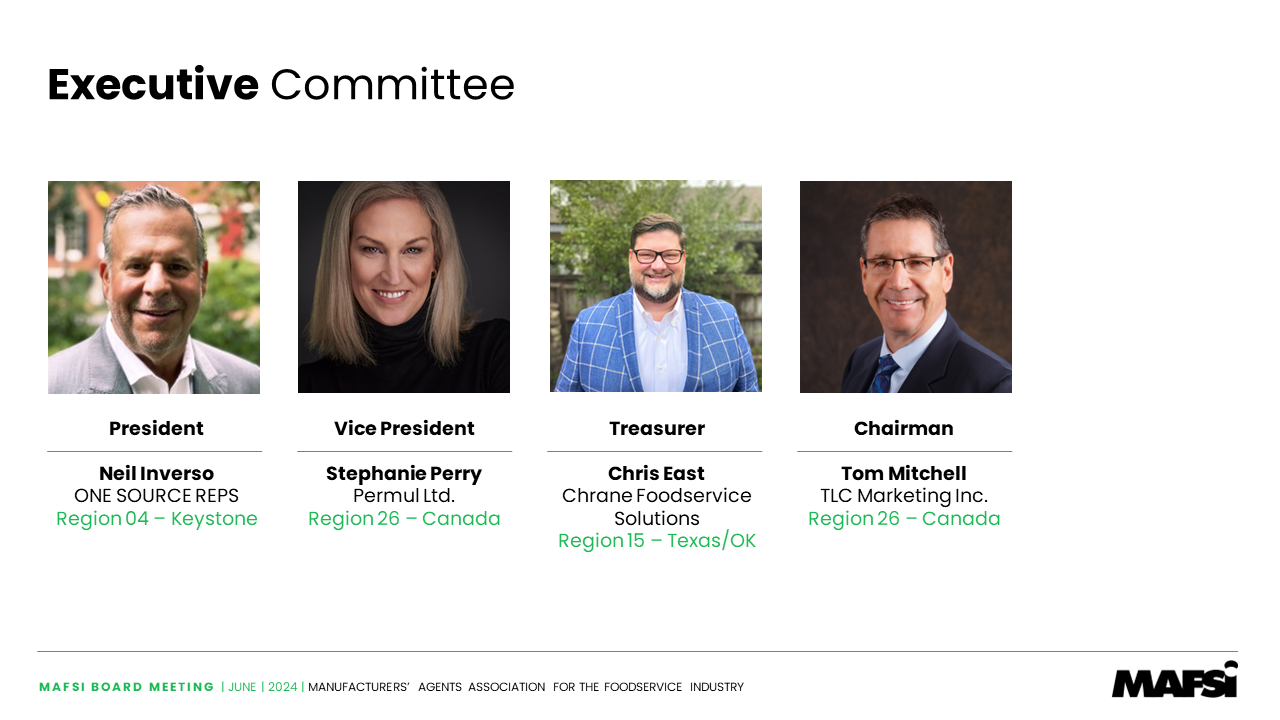
Job Description:  MAFSI President

Reports to:  The MAFSI Membership

General Description:  The MAFSI President is elected by the membership to serve as the president of the association and the Chairman of the Board of Directors. As such, the president’s responsibilities specifically focus on MAFSI’s policies, overall direction, governance oversight and governance procedures as defined by the association’s strategic plan and annual operating plans. In addition, the President represents the membership through attendance at official association meetings at the national level. The President serves a two-year term; from the membership meeting at The NAFEM Show until the end of the following NAFEM Show.

Committee Responsibilities: While the president may attend various association committee meetings, he or she is the chairperson of the MAFSI Executive Committee and the MAFSI Board of Directors. In addition, the President is an Ex-officio member of all MAFSI committees.

Primary Responsibilities of the President’s Position:

Represent and serve MAFSI members and the association in achieving the overall strategic goals of MAFSI which are as follows:

  • Promote the function of the independent food service equipment & supply manufacturers’ representative as the most effective way to go to market.
  • To continue MAFSI’s role as a premier national association and a premier association on the food service equipment & supply industry.
  • To continue as an association with diverse members and diverse programs to meet the challenges of a dynamic industry.
  • To assist member reps on developing the skills necessary to strengthen their professional, technical and management capabilities.
  • Aggressively promote MAFSI and actively recruit independent food service equipment & supply representatives as new members of the association.
  • Attend, lead, and participate in MAFSI’s Board of Directors meetings and Executive Committee Meetings. Attend and participate in the Conference Planning meetings.
  • Represent MAFSI at allied industry association conferences.
  • Along with the other MAFSI officers, attend other industry meetings as required.
  • Along with the other MAFSI officers, represent the association at industry events.
  • Represent and generally serve the MAFSI membership in the areas of MAFSI programs, activities, services, governance issues and committee tasks/decisions.
  • Promote an understanding of MAFSI programs and activities among local members through education and information.
  • Attend, lead, and facilitate discussions at local meetings in an effort to achieve full participation by local member reps.
  • Promote and encourage member attendance at various MAFSI events including but not limited to the MAFSI Biennial Conference, and other MAFSI sponsored programs.


Job Description:  MAFSI Vice President

Reports to:  The MAFSI Membership

General Description:  The MAFSI Vice President is elected by the MAFSI membership and automatically receives the nomination to be the association’s president. He or she is then elected by the membership to serve as the president of the association and the Board of Directors. The Vice President serves a two-year term prior to being elected President at the The NAFEM Show when the current president’s term ends.

Committee Responsibilities: While the vice president may attend various association committee meetings, he or she is a member of the MAFSI Executive Committee and the MAFSI Board of Directors. In addition, the Vice President is the chairman of the Core Program Plan ensuring its success and established timelines.

Primary Responsibilities of the Vice President’s Position:

  • Represent and serve MAFSI members and the association in achieving the overall strategic goals of MAFSI which are as follows:
  • Promote the function of the independent food service equipment & supply manufacturers’ representative as the most effective way to go to market.
  • To continue MAFSI’s role as a premier national association and a premier association on the food service equipment & supply industry.
  • To continue as an association with diverse members and diverse programs to meet the challenges of a dynamic industry.
  • To assist member reps on developing the skills necessary to strengthen their professional, technical and management capabilities.
  • Aggressively promote MAFSI and actively recruit independent food service equipment & supply representatives as new members of the association.
  • Attend and participate in MAFSI’s Board of Directors meetings and Executive Committee Meetings. Attend and participate in the MAFSI Conference Planning Committee meetings.
  • Along with the other MAFSI officers, attend other industry meetings as required.
  • Along with the MAFSI President and other MAFSI officers, represent the association at industry events and functions.
  • Represent and generally serve the MAFSI membership in the areas of MAFSI programs, activities, services, governance issues and committee tasks and/or decisions.
  • Promote an understanding of MAFSI programs and activities among local members through education and information.
  • Attend, lead and facilitate discussions at local meetings in an effort to achieve full participation by local member reps.
  • Promote and encourage member attendance at various MAFSI events including but not limited to the MAFSI Biennial Conference, the MAFSI Board of Directors and other MAFSI sponsored programs.


Job Description:  MAFSI Treasurer

Reports to:  The MAFSI Membership

General Description:  The MAFSI Treasurer is nominated by the MAFSI Executive Committee and is elected by the members to serve the association for a two-year term.

The Treasurer is the chairman of the MAFSI Finance Committee. As such, the Treasurer represents the association in the areas of financial planning, budgeting, and financial reporting. As the chairman of the Finance Committee, he or she reports on the association’s financial condition at the Finance Committee meetings, the Board of Directors meetings, and the Executive Committee meetings.

The Treasurer assists the President in his or her duties which focus on MAFSI policies, overall direction, governance oversight and governance procedures as defined by the association’s strategic plan and annual operating plans.

Committee Responsibilities: While the Treasurer may attend various association committee meetings, he or she is a member of the MAFSI Executive Committee and the MAFSI Board of Directors. In addition, the Treasurer is the chairman of the MAFSI Finance Subcommittee.

Primary Responsibilities of the Treasurer’s Position:

  • Represent and serve the MAFSI membership and the association in achieving the overall strategic goals of MAFSI which are as follows:
  • Promote the function of the independent food service equipment & supply manufacturers’ representative as the most effective way to go to market.
  • To continue MAFSI’s role as a premier national association and a premier association on the food service equipment & supply industry.
  • To continue as an association with diverse members and diverse programs to meet the challenges of a dynamic industry.
  • To assist member reps on developing the skills necessary to strengthen their professional, technical and management capabilities.
  • Aggressively promote MAFSI and actively recruit independent food service equipment & supply representatives as new members of the association.
  • Chair the Finance Subcommittee and work with the committee and Executive Director to accomplish the following:
  • Prepare an annual budget for the association including projected revenues and expenses.
  • Review the association’s monthly financial reports.
  • Prepare and write financial reports to be presented at the Finance Committee meetings, the Executive Committee meetings, and the Board of Directors meetings.
  • Attend, lead, and participate in the MAFSI Finance Committee meetings. Attend the MAFSI Board of Director meetings and Executive Committee Meetings.
  • Along with the other MAFSI officers, attend other industry meetings as required.
  • Along with the MAFSI President and other MAFSI officers, represent the association at industry events and functions.
  • Represent and generally serve the MAFSI membership in the areas of MAFSI programs, activities, services, governance issues and committee tasks and/or decisions.
  • Promote an understanding of MAFSI programs and activities among local members through education and information.
  • Attend, lead, and facilitate discussions at local meetings in an effort to achieve full participation by local member reps.
  • Promote and encourage member attendance at various MAFSI events including but not limited to the MAFSI Biennial Conference, the MAFSI Board of Directors and other MAFSI sponsored programs.


Job Description:  MAFSI Chairman

Reports to:  The MAFSI Membership

General Description: The Chairman provides continuity on the Executive Committee. The outgoing President assumes this position primarily as an honorary position automatically after a new President is elected at The NAFEM Show. The outgoing President will serve as the Chairman for (2) two years.

The Chairman’s responsibilities are to provide historical advice to the President concerning his or her duties which focus on MAFSI policies, overall direction, governance oversight and governance procedures as defined by the association’s strategic plan and annual operating plans. In addition, the Chairman may be asked to represent the association on the Alliance of Manufacturers Representatives Associations (AMRA), attend all of the Board of Director meetings, the Executive Committee meetings and any other industry events deemed appropriate.

Committee Responsibilities: While the Chairman may attend various association committee meetings, they are members of the MAFSI Executive Committee and the MAFSI Board of Directors.

Primary Responsibilities of the Chairman’s Position:

  • Represent and serve the MAFSI membership and the association in achieving the overall strategic goals of MAFSI which are as follows:
  • Promote the function of the independent food service equipment & supply manufacturers’ representative as the most effective way to go to market.
  • To continue MAFSI’s role as a premier national association and a premier association on the food service equipment & supply industry.
  • To continue as an association with diverse members and diverse programs to meet the challenges of a dynamic industry.
  • To assist member reps on developing the skills necessary to strengthen their professional, technical and management capabilities.
  • Aggressively promote MAFSI and actively recruit independent food service equipment & supply representatives as new members of the association.
  • Attend and participate in the MAFSI Board of Director meetings, Executive Committee Meetings and AMRA meetings.
  • Along with the other MAFSI officers, attend other industry meetings as required.
  • Along with the MAFSI President and other MAFSI officers, represent the association at industry events and functions.
  • Represent and generally serve the MAFSI membership in the areas of MAFSI programs, activities, services, governance issues and committee tasks/decisions.
  • Promote an understanding of MAFSI programs and activities among local members through education and information.
  • Advise the MAFSI President in areas of governance and overall direction of the association in accordance with MAFSI’s strategic and operating plans. Provide a historical point of reference and contribute to association discussions.
  •  

Job Description:  MAFSI National Director

Reports to:  The MAFSI Membership

General Description:  The National Director’s responsibilities are to place the interests and concerns of the membership before individual, company, or chapter preferences.  Membership interest and participation in all phases of MAFSI activity should be encouraged and developed as well as fiduciary responsibility and alignment with the MAFSI’s strategic goals.

Established Written Criteria for National Director Eligibility

  • Should be willing to commit to a three-year term as a national director. 
  • Should attend two board meetings annually at own expense unless local chapter agrees to pay some or all expenses. These two meetings are held in December/January in Atlanta and in the summer usually around the end of June, at a location chosen by the National President.
  • Should understand financial commitment is up to $6,500.00 per year.
  • Should ideally have at least 5 years’ experience as an independent representative.
  • Should be an active member of the local chapter by volunteering for projects or other special assignments (if applicable). 
  • Should have ideally attended at least one MAFSI conference in the last four years. 
  • Should be willing to actively serve on one or more national committees assigned based on candidate's interest/talents and participate in monthly committee conference calls.
  • Should be committed to advancing the rep profession. 
  • Should be committed to communicating national objectives, strategies, and updates to your local chapter members at most, if not all, local meetings (if applicable). 
  • Should be able to think strategically regarding direction of the association, what is best for our association and our members. 

Committee Responsibilities: A National Director may serve on numerous National committees during their tenure according to their interests.

Primary Responsibilities of the National Director’s Position:

  • Coordinate all MAFSI activities to the local chapter.
  • Keep the chapter membership fully informed of plans, developments, and programs at the National level.
  • Interpret the bylaws to the membership and take full responsibility for MAFSI’s compliance with them.
  • Obtain services of legal counsel, certified public accountants, insurance agents and other professionals, as needed.
  • Present to the membership for vote all proposals relative to major changes.
  • Prepare the program of work and educational activities of MAFSI for the coming year and Core Program Plan.
  • Approve the budget for the coming year before it is published for membership.
  • Consider the recommendations of the Finance Committee before taking any action on unbudgeted expenses.
  • Meet at least two times during the working year to consider committee reports and conduct MAFSI business.


General Responsibilities of the National Director’s Position:

Each National Director should study and know the:

  • Bylaws and Policy Manual
  • Core Programs
  • Board Indoctrination Manual
  • Financial Structure and Procedures
  • History of MAFSI
  • Committee Structure


To be well-informed each National Director shall:

  • Attend all Board Meetings
  • Attend the MAFSI Conference
    Attend all Committee Meetings in which he/she is involved as a member.
    Read all National/Board correspondence.
  • Complete ALL MAFSI Surveys, including the Barometer, Market Forecast and Benchmarking Survey


To facilitate the functions of the MAFSI Board of Directors, each National Director shall:

  • Notify the President in advance if he/she has important business to bring up.
  • Be prompt and BE PREPARED TO STAY UNTIL THE MEETING IS OVER.
  • Be objective and willing to listen open-mindedly.
  • In decisions affecting MAFSI, vote in the interest of the membership as a whole.
  • Be aware of MAFSI’s place in the foodservice industry.
  • Remember that he/she is a public relations representative from MAFSI at the chapter and allied association level.
  • Accept only those responsibilities that can be accomplished efficiently.
  • Know the financial policies, procedures, and accounts of MAFSI.
  • Facilitate the mechanics of the board by using paramilitary procedure.
  • Help the board come to a group decision
  • Avoid doing committee work during board meetings.
  • Voice your opinions, concerns, and fears.
  • DELEGATE AUTHORITY through committee structure.
  • KEEP INFORMED AND INFORM OTHERS. Review past records. Learn the history of the committee. Avoid duplication of work that has previously been done.
  • WORK TOGETHER to achieve various goals. Disagree without being disagreeable. Presume all members of are doing their best under the circumstances. A smooth working board and committees are essential to effective MAFSI operation.
  • KEEP ON YOUR TOES. Have a constant understanding of the day-to-day operations of MAFSI.
  • KNOW AND UNDERSTAND the responsibilities and importance of them. Use resource material for a necessary background, not just for reference material. Read the Board Indoctrination Manual, old minutes, magazines, etc.
  • ENCOURAGE ENTHUSIASM through example.
  • BUILD PRIDE in MAFSI and its accomplishments.
  • CREATE an atmosphere of enjoyment.
  • KEEP THE MEMBERSHIP INFORMED through all the channels available.

MAFSI Bylaws

(As ratified by the General Membership, December 24, 2016)


ARTICLE I

Name

The Name of this corporation shall be MANUFACTURERS' AGENTS ASSOCIATION FOR THE FOODSERVICE INDUSTRY.

The principal office of the association shall be at such place determined by the Board of Directors.


ARTICLE II

Definitions

"Foodservice Industry" means the manufacturing of foodservice equipment, supplies, tabletop, furniture, and other products used in away-from-home-feeding.

“JanSan Industry” or "JanSan" means the manufacturing of janitorial and sanitation equipment and supplies, and other products used in away-from-home-feeding, or in non-food institutions that require commercial cleaning.

“Industry” is used as reference to both the Foodservice Industry and JanSan Industry, collectively.

“Independent Manufacturers’ Agents”, “Representatives” or “Agents” are the persons or companies engaged as authorized agents or representatives of manufacturers in the sale of their products to the foodservice and/or janitorial and sanitation industry.

“Manufacturers”, are the companies that manufactures commercial foodservice equipment and/or supplies engaged in the research and development, design, engineering and physical processing of raw materials, or assembly of materials into finished product for the foodservice and/or janitorial and sanitation industry.


ARTICLE III

Purpose

This Association is organized for the following purposes:

  1. To promote the development, efficiency and general welfare of the manufacturers' agent functions and to foster a spirit of good will, confidence and friendliness among those persons active in said industry or related thereto by common business interest;

  2. To collect, preserve and disseminate to the members, the industry, and the public generally, information as to the nature, importance, and methods of the manufacturers' agent function in the Foodservice Industry and JanSan Industry.

  3. To effectively communicate to our manufacturers, and industry partners, the link that manufacturers' agents provide for the manufacturer; between the consultant, distributor and end-user that results in bringing the products and services to market;

  4. To effectively provide the membership with the information and the tools necessary to help them improve their business management, profitability and efficiency;

  5. To communicate to our members in such a way that makes them feel good about themselves as sales and marketing professionals, business managers, problem solvers and the profession they have chosen to succeed in.

  6. To aid its members in establishing programs which are of service to local, individual and member firms, which encourage membership in the local regions and fosters the growth of organizations within the local trade areas;

  7. To represent its members in matters of national importance, which affect the industry as a whole; and to analyze, compile and disseminate information on laws and regulations of interest to the members;

  8. To promote, in all lawful ways, the interest and welfare of the association, its members, and the industry;

  9. To cooperate with other allied industries and organizations


ARTICLE IV

Limitations

Furthermore, this Association shall be conducted not for profit.


ARTICLE V

Membership

Section 1 - Eligibility. Any individual, partnership, corporation or other legal entity of good business reputation, engaged in business as, with, or has a vested interest with, a "Manufacturers' Representative" or "Agent" selling foodservice equipment, supplies, tabletop, furniture, and/or janitorial and sanitation supplies and equipment to the foodservice industry or jan/san industry, or any individual, partnership, corporation or other legal entity of good business reputation, engaged in business as, with, or has a vested interest with, a manufacturer of equipment, supplies, tabletop, furniture, and/or janitorial and sanitation supplies and equipment may apply for membership in this Association. Thereafter, the Executive Committee, plus one national director from the applicant’s region, for Class I & Class II members, in its sole discretion may accept or reject the application. If accepted, the application shall be admitted as a member in good standing and upon payment of dues and/or initiation fee, if any, in the amount and within the time specified elsewhere in these Bylaws.

Section 2 - Classes of Membership. The membership in the Manufacturers' Agents Association for the Foodservice Industry shall be divided into eight (8) classifications, as follows:

Class I. Agent Membership. Agent membership is available to any firm, or corporation engaged in business as an independent manufacturers' representative, selling foodservice equipment, supplies, tabletop, furniture and/or janitorial and sanitation supplies and equipment to the foodservice industry, and jan/san industry or other non-food institutions that require commercial cleaning, shall be eligible for Agent membership in this association, upon establishing, subject to the discretion of the Board of Directors, that such person, firm or corporation is:

  • an independent contractor; and
  • whose primary business is selling foodservice equipment, supplies, tabletop, furniture, and/or janitorial and sanitation supplies and equipment to the foodservice industry and/or the jan/san industry or other non-food institutions that require commercial cleaning; and
  • is selling the products of two (2) or more manufacturers in a designated geographic area; and
  • whose majority of gross sales volume is derived from commission-based representative contracts.

Class II. Canadian/International Membership. Canadian/International agent membership is available to any firm, or corporation engaged in business as an independent manufacturers’ representative, selling foodservice equipment, supplies, tabletop, furniture, and/or janitorial and sanitation supplies and/or equipment to the foodservice industry and/or janitorial and sanitation industry; or who may act as a manufacturers’ representative with inventory who provides assistance in selling in their Canadian or International designated geographical area by importing merchandise in a manner that provides more cost effective products for the customer which may involve freight, brokerage, dollar exchange and timely delivery; and shall be eligible for Canadian or International Agent membership in this association, upon establishing, subject to the discretion of the Board of Directors, that such person, firm or corporation:

  • is an independent contractor; and
  • whose primary business is selling foodservice equipment, supplies, tabletop, furniture, and/or janitorial and sanitation supplies and equipment to the foodservice industry and/or the jan/san industry or other non-food institutions that require commercial cleaning; and
  • is selling the products of two or more manufacturers in a designated geographic area;
  • has no ownership or part ownership in any of their represented factories; and
  • uses the factories’ literature to go to market and does no value-added re-manufacturing or assembly to products sold in their designated geographic area.

Class III. Manufacturer Membership. Additionally, there shall be empowered a third class of member, entitled Manufacturer Member, who, under the Bylaws of this Association, shall be entitled to and inured of all rights and benefits, duties and obligations, of the aforesaid full membership as enumerated above, except that: 1. Manufacturer Members shall not hold any office, either elected or appointed in the Association. 2. Manufacturer Members shall have no voting rights whatsoever in Association matters. 3. Manufacturer Members may not be listed in the Representative/Agent section of the MAFSI membership directory.

Manufacturer Membership in MAFSI is available to, but not limited, to the following:

  • Any manufacturer of foodservice equipment, supplies, tabletop and/or furniture who is interested in improving the agent manufacturer method of sales and marketing and who will help promote our function, and sells, or plans to sell, to the foodservice industry.

  • Any manufacturer of JanSan equipment or supplies who is interested in improving the agent- manufacturer method of sales and marketing and who will help promote our function and sells, or plans to sell, to the foodservice industry and/or to non-food institutions that require commercial cleaning.

  • Any other manufacturer that finds value in the services provided by the Association in which this class of membership is entitled to.

Class IV. Associate Membership. Additionally, there shall be empowered a fourth class of member, entitled Associate Member, who, although they do not qualify for Agent, Manufacturer, Canadian, Honorary, Lifetime, Senior or Student membership under the Bylaws of this Association, is available to any firm, or corporation engaged in business with, or has a vested interest with, a manufacturer, or manufacturers’ agent, of equipment, supplies, tabletop, furniture, and/or janitorial and sanitation supplies and equipment to the industry.

Associate Membership in MAFSI is available to but not limited to the following:

  • Any firm or corporation that publishes books, magazines, or catalogues, etc., directly related to the foodservice industry and/or janitorial and sanitation industry.
  • Any financial services firms with a vested financial interest in the Foodservice Industry and/or JanSan Industry.
  • Any other firm, corporation, or organization who wishes to support the Association’s efforts to improve the agency method of marketing.

Class V. Life Membership. A Life Member shall be a person who has been a member of this Association for at least ten (10) years, who has contributed to the foodservice industry through significant national involvement, retired from the industry, and who has been elected to that classification by 2/3 (two-thirds) vote of the Board of Directors of this association. Life Members are not required to pay dues.

Class VI. Honorary Membership. Any person, firm, or corporation rendering outstanding service to the Association or to any group in the industry may be elected to the honorary membership by a two-thirds (2/3) vote of the Board of Directors. Nomination for honorary members must come from a Board of Director. Such honorary members shall be entitled to all benefits and privileges of members except the right to vote and hold office. Honorary members shall not be required to pay dues.

Class VII. Senior Membership. Senior Membership shall be available to any person who is a retired officer, director, person holding a financial interest, or part of the management of a company or sole proprietorship that held active membership in this Association when the prospective Senior Member retired from the company or proprietorship. Senior members shall not have the right to vote or hold any office, and shall be entitled to receive MAFSI publications and member discounts on attendance at Association meetings as his/her only member benefits.

Class VIII. Student Membership. Student membership is available to any person attending an accredited institution of higher learning as a student and enrolled in a foodservice or hospitality related course of study. Student members shall not have the right to vote or hold any office, and shall be entitled to receive MAFSI publications and member discounts on attendance at Association meetings as his/her only member benefits.

Section 3 - Voting Rights. Each member organization from each Class I and Class II shall be entitled to one (1) vote on each matter submitted to a vote of the members. Class I and Class II members shall have the right to exercise this vote as of the date of their acceptance as a member of the association and duly registered with the Secretary of the Association. Classes III, IV, V, VI, VII, and VIII shall not have the right to vote.

Section 4 - Application. All applications for membership in this Association shall be submitted in writing on a form supplied by the Association. Each application will then be either approved or rejected by a majority of the Executive Committee.

Section 5 - Resignation. Any member wishing to resign its membership shall notify in writing its intention to resign. All rights, privileges, and interest of a member in or to the Association shall cease on the termination of membership.

Section 6 - Suspension. By two-thirds (2/3) vote of the Board of Directors at any regular or special meeting any member of this Association may be suspended or expelled for failure to abide by the Bylaws of this Association provided that such action shall be announced to the member concerned by written notice thirty (30) days prior to such meeting. The member may appear at the meeting of the Board of Directors at which suspension in contemplated, to defend against such action or provide a written statement in their defense, which will be considered by the Board of Directors.

Section 7 - Delinquent Dues. Members found more than forty-five (45) days delinquent in the payment of any dues or assessments levied against them shall be given notice in writing of such delinquency. In the event payment in full is not made within thirty (30) days after the receipt of such written notice, such member shall be suspended. Suspension for failure to fulfill such obligations shall in no way release members from the obligations to pay all dues and assessments incurred prior thereto. The Board of Directors may by rule prescribe procedures for extending the time for payment of dues assessment and continuation of membership privilege upon request of a member for good cause shown.

Section 8 - Reinstatement. Any former member of this Association, who desires to be reinstated, shall be considered a new candidate for membership and may at the discretion of the Board of Directors of this Association be required to pay all back dues, assessments, and processing fees.

Section 9 - Terminated Membership and Association Property. No member whose membership is terminated by resignation, suspension, expulsion, or otherwise, (except upon dissolution) shall be entitled to receive any share or part of the assets and properties of this Association whatsoever.


ARTICLE VI

Meeting of Members

Section 1 - Annual Meeting. An annual meeting of the members shall be held for transaction of such business as may come before the meeting.

Section 2 - Special Meetings. Special meetings of the members may be called by the President, the Board of Directors, or not less than one-tenth of the members having voting rights.

Section 3 - Place of Meeting. The Board of Directors may designate any place as the place of meeting for any annual meeting or for any special meeting called by the Board of Directors. If no designation is made or if a special meeting were otherwise called, the place of meeting shall be at a location within a 30-mile radius of the registered office of the Association.

Section 4 - Notice of Meetings. Written or printed notice stating the place, day and hour of any meeting of members shall be delivered either personally, by fax, by email or by postal mail to each member entitled to vote at such meeting, not less than ten (10) or more than fifty (50) days before the date of such meeting, by or at the direction of the President, or Executive Director, or the officers or persons calling the meeting. In case of a special meeting or when required by statue, the purpose or purposes for which the meeting is called shall be stated in the notice. If mailed, the notice of the meeting shall be deemed to be delivered when deposited in the United States mail addressed to the member at his address as it appears on the records of this Association, with postage thereon pre-paid.

Section 5 - Quorum. Twenty-five (25) members qualified to vote shall constitute a quorum at any meeting of members. If a quorum is not present at any meeting of members, a majority of the members present may adjourn the meeting from time to time until a quorum is present.

The order of business at meetings shall be as follows:

  1. Call to order.
  2. Reading of Antitrust Statement
  3. Review of minutes of previous meeting.
  4. Reports of officers.
  5. Reports of committees.
  6. Unfinished business.
  7. New Business.

The order of business may be altered or suspended at any meeting by a majority vote of the members present. The usual parliamentary rules as laid down in "Robert's Rules of Order" shall govern all deliberations, when not in conflict with these Bylaws.

Section 6 - Proxies. At any meeting of members, a member entitled to vote may vote by proxy executed in writing by the member or by his duly authorized attorney-in-fact. No proxy shall be valid after the meeting for which it is intended. The Executive Director before each annual meeting or special meeting of members shall make proxies available.

Section 7 - Voting by Mail, Fax or E-mail. Any proposed action, which requires the approval of the members of this Association, may, at the discretion of the Board of Directors, be voted upon by mail, fax or e-mail ballot. Any resolution and ballot to be submitted to the membership for voting by mail, fax or e-mail must first be approved as to form by the Board of Directors. Any and all action taken in pursuance of a majority mail, fax or e-mail vote in each case shall be binding upon the Association in the same manner as duly called meeting.


ARTICLE VII

Biennial Election

Section 1 - Elections. The members shall elect the officers and Board of Directors, each biennial voting year, in advance of the annual meeting of members in accordance with the following procedure:

(a) Election of Officers. At least sixty (60) days prior to the Mid-Year Board Meeting, the Executive Committee will select a nominating committee of an odd number who will determine a slate of candidates for the offices of President, Vice-President, and Treasurer, each for two (2) year terms. During voting years, a Treasurer Position Interest Form shall be sent to the Board of Directors ninety (90) days prior to the Mid-Year Board Meeting. It is the intent that no officer should serve more than a two-year term in their elected position. This slate will be sent to the membership for approval. Ballots must be sent at least sixty (60) days prior to the annual meeting in a voting year. Profiles of each candidate will be part of the ballot. The Executive Director will be responsible for counting the return ballots, with a simple majority of the votes cast required for approval. The elected officers will be notified by e-mail at least thirty (30) days prior to the annual meeting. Officers shall take office and enter upon the performance of their duties at the conclusion of the MAFSI Biennial Conference and shall continue in office until their successors shall be duly elected and qualified, or unless they resign, are removed, or are otherwise unable to fulfill an un-expired term. Additionally, officers are considered directors of the association.

At the voting annual meeting, the elected officers shall be announced. Any member elected to the office of President shall be limited to two (2) consecutive two-year terms.

(b) Election of Regional National Directors. Ninety (90) days prior to the date of a Board meeting, the Executive Director shall cause notice to be given to each Class I and Class II member, entitled to elect directors, specifying the number of directors which each of the regions is entitled to elect. The name or names of the person(s) elected to the Board of Directors by such member local regions shall be furnished to the Executive Director by mail, email, or fax at least sixty (60) days prior to each board meeting.

(c) In the event that an existing Class I and Class II member region attains the required number of member companies sixty (60) days prior to each board meeting it shall be entitled it to elect one or more Directors, the Executive Director shall determine the number of Directors to be elected and certify that number with the Association President. In order to be eligible, dues shall have been paid to National Headquarters for each member firm.

New directors will serve three (3) year terms. Any director shall be eligible for re-election. Any member elected as a director shall take office and enter upon the performance of their duties at the start of the next board meeting following their election, and shall continue in office until their successions shall duly be elected and qualified, or unless they resign, are removed, or are otherwise unable to fulfill an un-expired term. On the association’s website, the elected directors will be announced.

(d) Election of National Ad Hoc Directors. Class I and Class II members from any location may fill one of five (5) National Ad Hoc Director positions. These positions may be nominated by any existing Director currently serving a (3) year term, with a limit of (1) nomination per Director to take place at a board meeting. The nominations will then be voted on by the existing directors before the conclusion of the board meeting.

New National Ad Hoc Directors will serve three (3) year terms, and the terms of their service pursuant to Article 7, section (b), paragraph two.


ARTICLE VIII

Local Regions

Section 1 - Purpose. Regions may be established with the objectives of furthering the purpose of this Association, as set forth in Article III, thus increasing the value of this Association to its members.

Section 2 - Application for Chapters of Affiliation. (a) Any organized group of manufacturers' agents, as described in Article V, which has within its membership five (5) or more members of this Association, may apply for affiliation to the Board of Directors in writing. Such application shall include name of the group, members, and proposed region.

(b)  A copy of the Bylaws, of such group shall accompany its application for affiliation, together with a list of officers and members.

(c)  The Bylaws of such group shall be in conformance with this Association’s Bylaws.

(d)  The Executive Committee of this Association, in its sole discretion, shall accept or reject such application.

Section 3 - Suspension Prerogative. A local region may suspend any firm in that local region, so long as suspension is consistent with the Bylaws of this Association as stated in Article V, Section 6.

Section 4 - Multiple Memberships. If a company operates in an additional MAFSI designated region, either under the same or different name, it shall require a separate/additional membership in order to receive additional Association benefits. Membership dues for an additional MAFSI membership shall be based on the total personnel residing in the additional MAFSI region. The listing in the MAFSI membership directory shall list the physical address of the office in the additional MAFSI region, not the address of the parent company. Contact information including principal(s) names of the parent company shall be listed below the listing of the additional membership address location which is apply for membership.

Section 5 - Local Regional Meetings/Events. To attend local regional meetings or events, the local agent must be a member of the national association and have a membership in that MAFSI region. The chapter shall make provisions for an annual "new member" meeting.


ARTICLE IX

Government (Board of Directors)

Section 1 - Board of Directors. The powers, property, government, affairs, and management of this Association shall be exercised, conducted and controlled by a Board of Directors. The Board will determine the Association's policies or changes therein within the limits of the Bylaws, shall actively prosecute its purposes, and shall have discretion in the disbursement of funds. The board may adopt such rules and regulations for the conduct of its business as shall be deemed advisable, and may, in the execution of the powers granted, appoint such agents as it may consider necessary. No person shall, in any way, commit this Association to any financial, legal, or moral obligation, or make any statement in the name of the Association or maintain banking or financial arrangements in the name of the Association without prior authorization from the Board of Directors.

All directors shall be required to communicate with their constituents during their tenure of office for the purpose of keeping members within their areas of jurisdiction informed of Board actions, and to establish a closer rapport between the Board and members concerned.

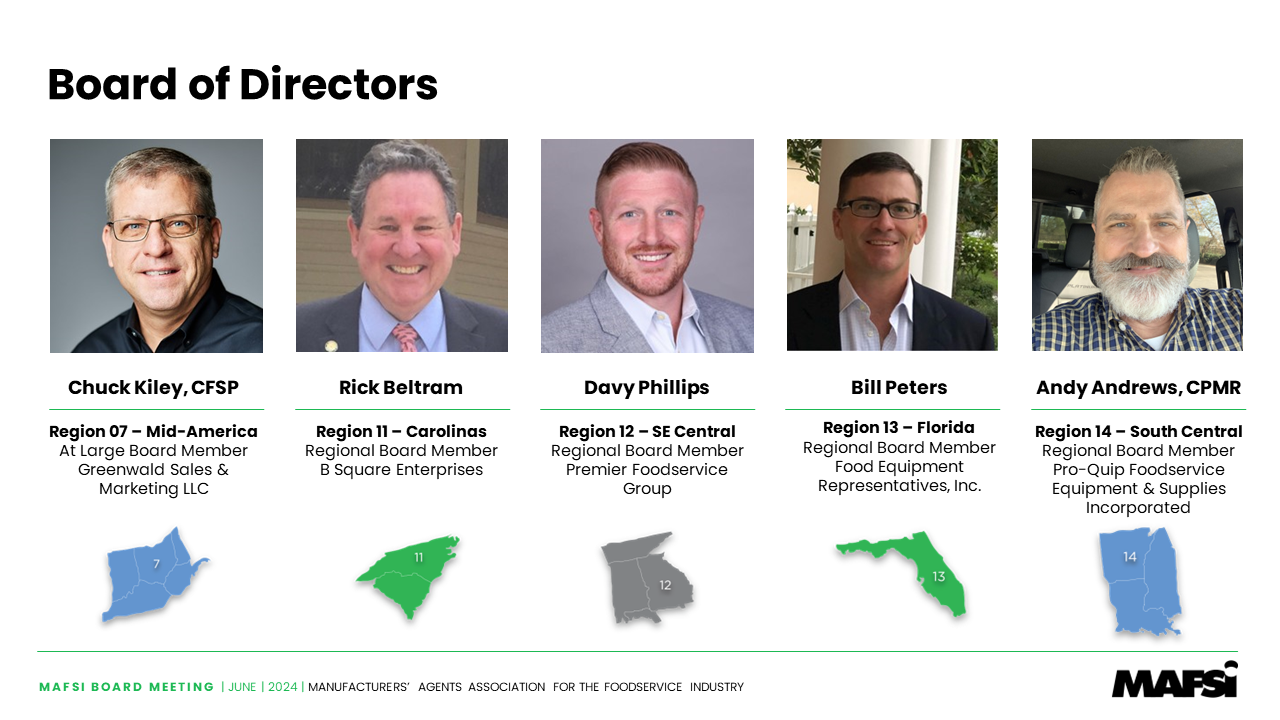
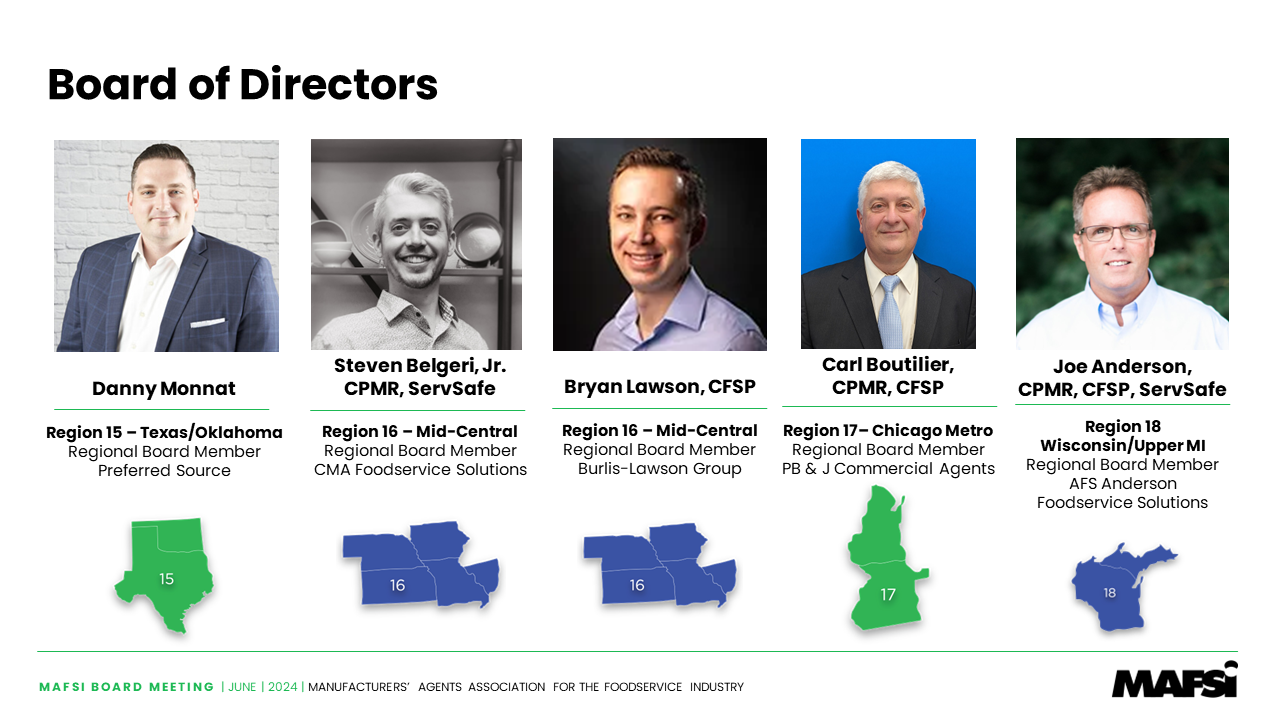
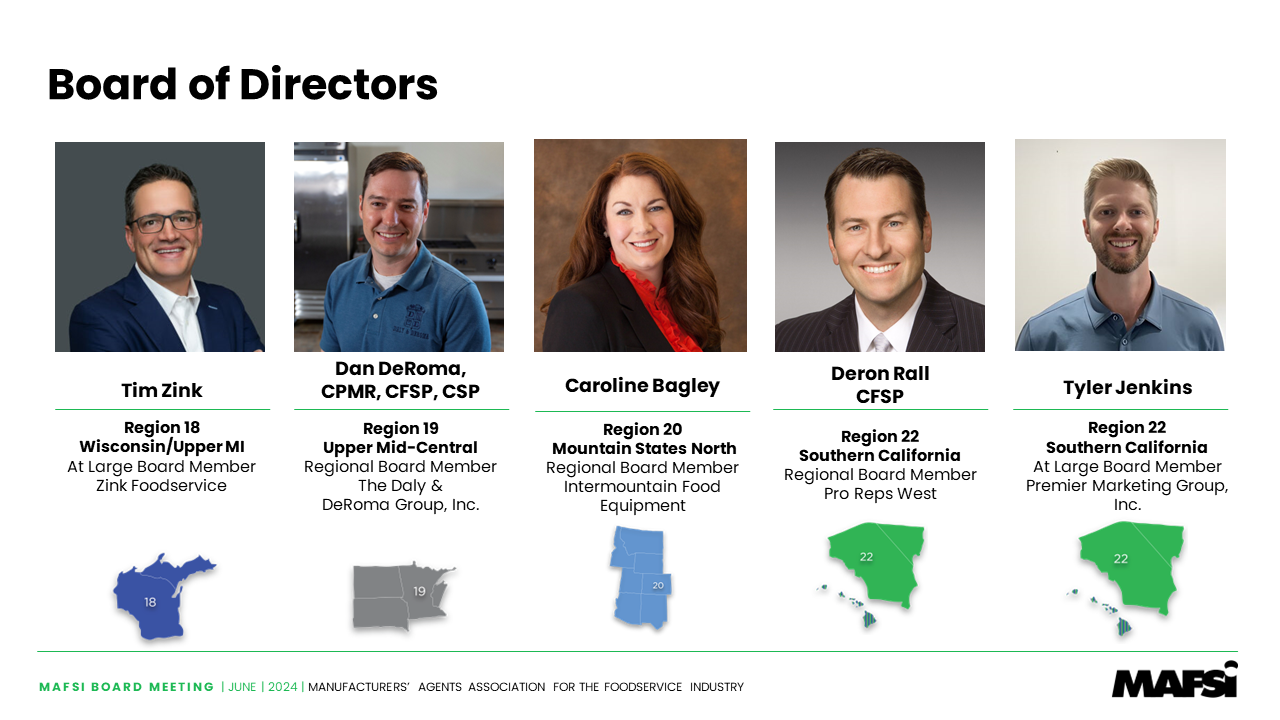
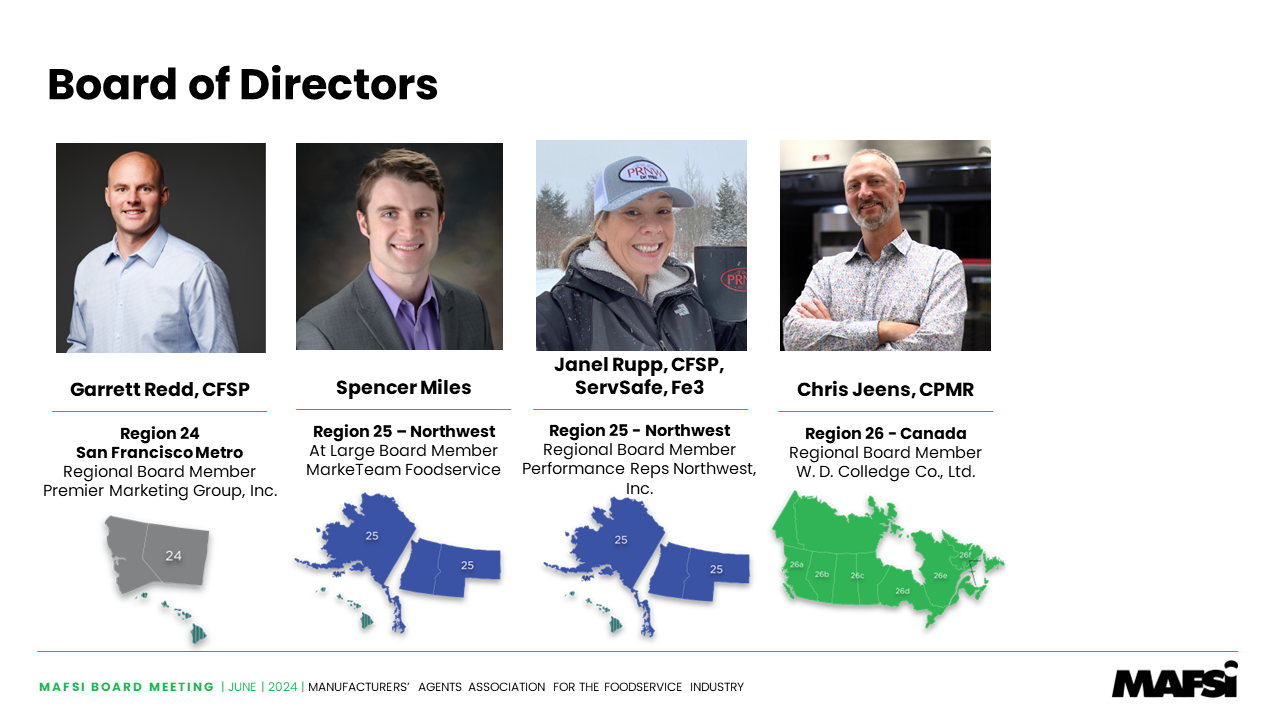
Section 2 - Number of Directors. The Board of Directors of this Association shall be comprised of the persons representing eligible Class I and Class II member regions, the officers, the immediate past president, and five (5) ad hoc members which can be from any eligible Class I and Class II members.

(a) Class I and Class II Members for Regional Directors. Each Class I and Class II member regions shall be entitled to elect directors from their membership as follows sixty (60 days) prior to a Board Meeting:

1 Director                    5 - 25

2 Directors                  26 - 40

3 Directors                  41+


Annual dues and assessments shall have been paid to National Headquarters for each member firm before December 31st in order to be eligible.

Immediate Past President. The Immediate Past Presidents shall automatically assume the position of Chairman immediately upon their retirement as President.

Honorary Directors. The Board by majority vote may designate certain persons to serve as Honorary Directors with the privilege of attending and participating in Board meetings. Honorary directors shall not vote nor be counted in the quorum for Board meetings.

Section 3 - Regular Meetings. The Board of Directors shall hold two meetings per year. The Board of Directors may provide by resolution the time and place, for holding additional regular meetings of the Board without notice other than such resolution but such regular meeting shall be held at least semi-annually or at the call of the President.

Section 4 - Special Meetings. Special meetings of the Board of Directors may be called by or at the request of the President or any four (4) Directors. The person or persons authorized to call special meetings of the Board may fix any special place, as the place for holding any special meeting of the Board called by them.

Section 5 - Notice. The purpose of any special meeting of the Board of Directors shall be given at least ten (10) days previously thereto by written notice delivered personally or sent by fax, mail, or email to each Director at his address, as shown by records of the Association. If mailed, such notice shall be deemed to be delivered when deposited in the United States mail in a sealed envelope so addressed with postage thereon prepaid. Any Director, at any meeting shall constitute a waiver of notice of such meeting, except where a Director attends a meeting for express purpose of objecting to a transaction of any business because the meeting is not lawfully convened.

Section 6 - Quorum. A majority of the Board of Directors shall constitute a quorum for the transaction of business at any meeting of the Board. Any less number may adjourn for time to time until a quorum is present.

Section 7 - Absence. Any member of the Board of Directors unable to attend a regular meeting shall, in a letter addressed to the President or Executive Director, state the reason for their absence. If a Director is absent from two (2) consecutive meetings for reasons which the Board fails to declare to be sufficient, his resignation shall be deemed to have been tendered and accepted.

Section 8 - Resignation or Removal. Any director may resign at any time by giving written notice to the President, the Executive Director, or to the Board of Directors. Such resignation shall take effect at the time specified therein, or, if no time is specified, at the time of acceptance thereof as determined by the President or the Board. Any director may be removed for cause by a majority vote of the directors at any regular or special board meeting at which a quorum is present.

Section 9 - Vacancies. If a vacancy occurs on the Board of Directors, and such vacancy is a representative of a local regional chapter entitled to elect a member of the Board of Directors, it shall be filled by such local regional chapter for the un-expired term. If a vacancy occurs on the Board of Directors, and such vacancy is a representative of an ad hoc member entitled to the Board of Directors, it shall be filled by another ad hoc member for the un-expired term.

Section 10 - Director Tenure and Membership Decrease. When the membership in a local chapter falls below the eligibility level governing the number of directors, such director(s) may continue on the board of directors until the end of the fiscal year or term; whichever is shorter. New elections shall occur when the chapter membership increases to the appropriate level.

Section 11 - Compensation. Officers and Directors as such shall not receive any stated compensation for their services as Directors, but the Board may, by resolution, authorize reimbursement of expenses incurred in the performance of their duties. Such authorization may prescribe procedure for approval and payment of such expenses by designated officers of the Association. Nothing herein shall preclude a director from serving the Association in any other capacity and receiving compensation for such services.

Section 12 - Proxies. Any Officer or Director may appoint another Director as his proxy to vote in his name upon any or all matters coming before the Board of Directors. Any such proxy must be delivered to the Executive Director, in writing, before the meeting at which such proxy is to be exercised has been called to order. Only in cases of emergency may a proxy be appointed by verbal notification to the President by the time provided.


ARTICLE X

Government (Association Officers)

Section 1 - Officers. The officers of this Association shall consist of a President, Vice President and Treasurer, each of whom shall be elected by the members of the association before the voting meeting of the Board of Directors. The director position vacated by the elected officer must be replaced by vote from their local region. In the case of the Immediate Past President s/he shall automatically assume the duties of the Executive Committee and shall have a vote at all meetings of the Board of Directors and in any matter pertaining thereto. All officers of this Association shall serve without compensation.

Section 2 - Duties of Officers.

(a) President. The President of this Association shall be the principal executive officer of the Association and shall, in general, supervise and control all association business and affairs. He shall preside at all meeting of the members and the Board of Directors, and act as an ex-officio member of all committees with voting rights. Furthermore, the President shall have the right to appoint all committees, with the exception of the liaison committees, which are chosen by the Executive Committee, and call together these committees or the Board of Directors for any meeting deemed necessary.

(b) Vice President. It shall be the duty of the Vice President to act in the stead of the President during his absence or any period of incapacity, and to fulfill the President's term of office in the event of his death, withdrawal, or suspension. The Vice President shall, furthermore, be given the opportunity to act as chairman of at least one (1) committee during his or her respective term of office.

(c) Treasurer. The Treasurer of this Association shall cause to insure that books be audited and maintained commensurately with accepted accounting and bookkeeping practices in the hands of whomsoever the Board of Directors shall designate; and oversee the safekeeping of all funds of this Association. The association shall furnish a bond in an amount of specified by the Board of Directors; and the Association shall pay the premium of said bond. The Executive Director shall perform such duties of the Treasurer as shall be designated by the Board of Directors.

Section 3 - Removal from Office. Any officer elected or appointed by the Board of Directors may be removed by the Board of Directors, whenever, in its judgment, the best interests of the Association would be served.

Section 4 - Vacancies. When an elected officer dies, resigns, is removed, disqualified or is otherwise unable to serve, such officer vacancy may be filled by Election by the Board of Directors for the un-expired portion of the term of such officer's position.                                                       


ARTICLE XI

Executive Committee

Section 1 - Scope and Authority. An Executive Committee of the Board of Directors, consisting of the President, the Vice-President, the Treasurer, and the Immediate Past President, shall during the intervals between meetings of the Board of Directors, possess and may exercise all of the powers of the Board of Directors in the management of the business and affairs of the Association. The Executive Committee shall keep full and fair records and accounts of its proceedings and transactions. All actions by the Executive Committee shall be reported to the Board of Directors at its meeting next succeeding such action and shall be subject to control, revision and alterations by the Board of Directors; provided that no rights of third persons shall be prejudicially affected thereby. Vacancies in the Executive Committee shall be filled by the Board of Directors, during the temporary absence of a member of the Executive Committee due to illness or inability to attend a meeting for other cause, the remaining members of the Executive Committee may appoint a member of the Board of Directors to act in the place of and with all the powers of such absent member. The Executive Committee will appoint all liaison committee chairpersons.

Section 2 - Meetings of the Executive Committee. Subject to the provision of these Bylaws, the Executive Committee shall fix its own rules of procedure and shall meet as provided by such rules or by resolution of the Board of Directors; and it shall also meet at the call of the President of the Association or of any two members of this committee. It may also meet prior to the regular meeting of the Board of Directors. Three (3) members of the Executive Committee shall be necessary to constitute a quorum. The Executive Committee may act in writing, email, fax, or by telephone, with written confirmation, without a meeting, but no such action of the Executive Committee shall be effective unless concurred on all members of the Committee. The President shall serve as Chairman of the committee.


ARTICLE XII

Publications

Section 1 - Official Publication. The Manufacturers’ Agents Association for the Foodservice Industry may publish periodicals. Such publications may be the sole and exclusive property of the Association. The Board of Directors shall have complete control as to the name, editorial, circulation, advertising and distribution policies for such periodicals.

Section 2 - Licensed Publications. The Board of Directors of the MAFSI may grant the status of Official Licensee to a publication or publications of its choosing. This license may include the use of official logos, slogans, lists of officers and directors, members in good standing and other items which may, from time to time, be required to indicate such license agreement exists.


ARTICLE XIII

Finance

Section 1 - Initiation Fee. There may be initiation fee applicable to classes I, II III and IV of membership. The Board of Directors shall prescribe initiation Fee.

Section 2 - Dues. (a) The annual dues, payable annually in advance, by members of the Manufacturers' Agents for the Foodservice Industry for classes I, II, III, and VI of membership shall be as determined by the Board of Directors, from time to time. A procedure for member notification of dues changes will be published in Section I - DUES of the MAFSI Policy Manual. (b) Invoice shall be rendered to members forty-five (45) days prior to the due date.

Section 3 - Fiscal Year. The fiscal year of this Association shall be from January 1st to December 31st.

Section 4 - Audits. The accounts of the Association shall be audited within 90 days of the end of the fiscal year by a Certified Public Accountant who shall be appointed by the President, with the approval of the Board of Directors, and who shall provide a report to the Board of Directors.

Section 5 - Holding of Funds. All funds of the Association are to be held in a bank or banks to be designated by the Board of Directors at any authorized meeting. All funds are to be held in the name of the Association or in accounts with names specifically authorized as official by the Board of Directors.

Section 6 - Disbursements. All disbursements are to be made on any two (2) of four (4) signatories to be designated by the Board of Directors of this Association yearly or as directed by the Executive Committee.

Section 7 - Distribution of Assets. Upon dissolution of the Association, any remaining assets, after payment of all obligations of the Association, shall be distributed pursuant to the eleventh article, section (c) of the Certificate of Incorporation of the Association.

Section 8 - Budget. The Board of Directors shall prepare and approve a budget covering anticipated expenditures for the ensuing year prior to the start of the fourth fiscal quarter. No expenditures shall be made in excess of a line-item budget without the consent of the treasurer and further the total approved budget except upon specific approval of the Board of Directors or by the Executive Committee and ratified by the Board at the next official meeting.

Section 9 - Special Assessments. In the event the Board of Directors determines that, in their opinion, a special assessment should be levied against the members of this Association, in addition to dues, they shall cause notice of the proposed assessment and the expenditures to be made from the proceeds thereof to be given to each member. Further, no special assessment shall be effective unless approved by at least two-thirds (2/3) of the members attending a meeting or voting by mail, provided that a quorum is present at any such meeting or the number required to constitute a quorum casts an e-mail or fax ballot.


ARTICLE XIV

Management

Section 1. In conformity with the existing budget the administration and management of the Association shall be in a salaried staff head, employed or appointed by, and directly responsible to the Board of Directors. He or she shall have the title of Executive Director, and he may act as Secretary of the Association. He or she shall employ and may terminate the employment of members of the staff necessary to carry on the work of the Association and perform such other duties as may be specified by the Board.

Section 2. It shall be his or her duty to give notice of and attend all meetings of the Association, to keep a record of all proceedings, to attest documents and perform such other duties as are usual or as may be assigned to him or her by the Board.


ARTICLE XV

Indemnification of Officers, Directors and Executive Director

The directors, officers and employees of the Association shall be provided indemnification to the full extent allowed by Chapter 35, Article 7 of the Not-for-Profit Corporation Law as set forth in Sections 721 through and including 725 in existence as of the date of adoption of this revised Article XV.


ARTICLE XVI

Amendments

These Bylaws may be amended at any meeting of the members of this Association by a majority vote of the membership attending such meeting, provided that a copy of the amendment or amendments shall have been e-mailed to each member together with a notice of meeting at which said amendment to amendments are to be submitted, at least sixty (60) days prior to the date of such meeting and provided further that a quorum be present in person or by proxy.

These Bylaws may also be amended by mail, fax or e-mail ballot, as per Section 7, Article VI. a majority mail, fax or e-mail vote of the membership shall be required to amend, provided that a copy of the proposed amendment or amendments shall have been sent to each member, together with a notice of due date by which date amendment or amendments are to be submitted, at least sixty (60) days prior to such due date.


MAFSI Code of Ethics

MAFSI DOES NOT have a Code of Ethics

MAFSI no longer has a Code of Ethics as the Federal Trade Commission doesn’t allow them. According to the FTC, we can’t create unfair business conditions or restrain trade within the microcosm of a trade association that would not exist in the real world. E.g. – In the real world Taco Bell can’t file a complaint against Burger King if one of their employees leaves and goes to work at Taco Bell.

In the last decade, the FTC has brought many trade associations up on antitrust violations in regards to Code of Ethics - see 2014 - Settlement 1, Settlement 2. On March 3, 2015, the Federal Trade Commission (FTC) approved final orders requiring two additional trade associations to eliminate rules that restrict competition - see 2015 - Settlement 3. and Settement 4.

The FTC has ruled that trade associations should (1) eliminate any provisions in bylaws or codes of ethics that restrict competition among members and (2) adopt and maintain antitrust compliance programs. In particular, trade associations should refrain from policies, whether written or unwritten, that do any of the following:

  • Restrict members from soliciting work from other members’ customers;
  • Prevent members from doing business in an area allocated to another member;
  • Restrict members from making statements about other members if the statements are neither false nor deceptive;
  • Restrict members from competing on price;
  • Restrict members from soliciting employees from other members;
  • Fix prices; or
  • Restrain competition.
  • See FTC Guidelines
  • Here is article that might be easier to digest when the ruling first came out in 2015.

In mid-2016, MAFSI removed our Code of Ethics from our web site, as we had many of the same clauses as the associations in violation, while we examined our options. The FTC does allow trade associations to have a Code of Ethics, however these must protect the public, promote association values and not restrict competition.

In late 2016, we also changed the bylaws to drop any reference to the Code of Ethics in 2016. The new bylaws, along with the notice that the Code of Ethics was no longer applicable to MAFSI members was sent for approval and approved by the Rep Company members.

FYI - Many trade associations may still list a Code of Ethics on their website but they are not enforceable, and if they try they will get fined by the FTC, and will be forced to remove them their bylaws and site. We removed them before we could be sanctioned.

Link to MAFSI's Old Code of Ethics

MAFSI AntiTrust Policy

The Manufacturers Agents Association for the Foodservice Industry (MAFSI), a trade association of foodservice equipment, supply, tabletop and furniture independent manufacturers’ representatives and manufacturers, recognizes and endorses the policies underlying the nation’s antitrust laws. It is the belief of MAFSI that competition is the fairest and most efficient mechanism of economic regulation. Accordingly, any activity that intentionally or unintentionally reduces competition or restrains trade is contrary to that belief and MAFSI policy. In order to ensure that MAFSI members, board members and staff understand and comply with basic antitrust law and MAFSI policy, the MAFSI Board of Directors has adopted the following Antitrust Policy Statement.

It is the policy of MAFSI that no member, board member or staff member shall intentionally or unintentionally:

  • fix or stabilize prices
  • limit production
  • hinder nonmembers
  • coerce members
  • initiate boycotts
  • allocate markets
  • influence current or future prices or otherwise act in restraint of trade or engage in anticompetitive conduct.

In order to ensure that the above policy will be fully implemented, the MAFSI Board of Directors has adopted the following prophylactic guidelines and rules:

A) General Operating Procedures

  1. A full description of MAFSI’s intention to comply fully with the antitrust laws should be included in its bylaws and written policy statement.
  2. All MAFSI members, board members, committees and staff shall receive and familiarize themselves with MAFSI’s Antitrust Policy Statement.
  3. MAFSI’s legal counsel shall periodically update members, board members and staff concerning antitrust problems.
  4. MAFSI’s legal counsel shall approve in advance all new MAFSI programs or changes in existing programs that may have potential antitrust implications.
  5. If possible, all MAFSI meetings shall be regularly scheduled and conducted pursuant to the agenda and explicit procedural rules. In no case shall members hold informal “rump” meetings.
  6. An agenda shall be prepared for each meeting of MAFSI, and the agenda shall be reviewed in advance by legal counsel.
  7. If possible, legal counsel shall be present at all meetings of the Board of Directors and at any other meeting at which sensitive issues will be discussed.
  8. The minutes of all meetings shall be approved by legal counsel. The minutes should reflect MAFSI’s policy of complying with antitrust laws.
  9. The minutes of all MAFSI meetings should be accurate, and the association executive should never sign minutes that have been doctored, which are incomplete, or which have not been approved by legal counsel.
  10. Any action by the MAFSI or its Board of Directors which has the effect of rejecting a membership application should not become final without approval by legal counsel.
  11. MAFSI shall develop a formal document disposal program.
  12. No MAFSI board member, officer or staff member shall have authority to communicate with officials of the Federal Trade Commission or the Antitrust Division of the Department of Justice without prior approval of the Association’s legal counsel.
B) Membership Policy


MAFSI shall not:

  1. Exclude certain competitors from membership in MAFSI, especially if there is an arguable business advantage in being a member.
  2. Restrict MAFSI members from dealing with nonmembers.
  3. Limit access to information developed by MAFSI, unless such limitation is firmly grounded upon the need to protect trade secrets.
C) Self-Regulation

MAFSI shall not:

  1. Adopt regulations or policies which have price–fixing implications, such as restrictions on advertising of prices or bidding, or which unreasonably inhibit the ability of any member or group of members to compete.
  2. Require members to refrain from dealing with any vendor, supplier, customer, or other member

D) Topics of Discussion that Shall be Avoided at MAFSI Meetings
  1. Current or future prices. (Great care must be taken in discussing past prices.)
  2. What constitutes a “fair” profit level.
  3. Possible increases or decreases in prices.
  4. Standardization or stabilization of prices.
  5. Pricing procedures.
  6. Cash discounts.
  7. Credit terms.
  8. Control of sales.
  9. Allocation of markets.
  10. Refusal to deal with a corporation because of its pricing or distribution practices.
  11. Whether or not the pricing practices of any industry member are unethical or constitute an unfair trade practice.


General Antitrust Information

Membership

It’s important not to unreasonably restrict membership. Because belonging to an association is beneficial, competitors of the association’s members may be at an unfair disadvantage if they are not allowed access to association information or products and services. Assuming that the members of an association derive an economic benefit from membership, the denial of membership to an applicant may constitute a restraint of trade because such a denial may limit the ability of the applicant to compete. Similarly, no member of a trade association can be forced to participate in discussions or to attend association meetings.

Associations can restrict membership on the basis of trade, profession, and geographic area. Other qualifications may or may not be acceptable including sales requirements, number of employees, production requirements, number of years in business or in the profession, educational background, certification, accreditation, etc. No action by the association or its board of directors which has the effect of rejecting a membership application should be implemented without approval by legal counsel.

Non-members should also be permitted to purchase the association’s products and services. These products and services need not be advertised or promoted to nonmembers and nonmembers may be charged more for the association’s products (although the difference in price should not be so high as to compel membership). An association may have members only benefits or services, but they should not give members a competitive or economic benefit.

Care should be taken with involuntary termination of membership. Nonpayment of dues, loss of required governmental licensing, or failure to comply with other reasonable association rules that are unrelated to competition are legitimate reasons for expulsion. Antitrust concerns can be raised if the expulsion is due to failure to comply with professional codes or ethics requirements. To avoid expelling members arbitrarily, it is best to set up procedures and safeguards and consult with legal counsel before any such action is taken.

Because trade associations bring competitors together, considerable caution must be exercised in the conduct of the formal meetings of the Association and the conduct of individual members in their contacts with competitors during these meetings and informal gatherings. Not only must individual members and their employees avoid engaging in communications with competitors that might be interpreted by a third party as an illegal agreement or understanding, but the Association must also avoid such things as adopting or undertaking restrictive membership requirements, restrictive codes of ethics or conduct, compulsory or discriminatory performance or product standards, and exchanges of confidential financial information, each of which may be subject to antitrust scrutiny.

Violation of the Federal Trade Commission Act can result in issuance of a cease-and-desist order, which can place extensive governmental restraints on the activities of an association and its members or call for dissolution of the trade association itself. Failure to obey such an order can result in penalties of as much as $10,000 per day. It should also be noted that antitrust law violations can be levied against members of the association as well.

From a practical standpoint, an association’s members should focus their concern on five principal antitrust problem areas:

  1. Price-Fixing
    Experience shows that an association’s members are most likely to violate, and the government is most likely to enforce strictly, the price-fixing prohibitions of the Sherman Act. A price-fixing violation may be inferred from similar price behavior by an association’s members, even in the absence of a written or oral agreement. If price-fixing by an association or its members is established, the fact that the prices set are reasonable or that the ends sought through the price-fixing behavior are worthy will not be an adequate defense.

  2. Agreement to Allocate Customers or Divide Territories
    An agreement among members of an association to allocate customers or divide geographical territories is, in and of itself, a per se violation. The antitrust laws expressly prohibit any understanding or agreement between competitors or members of an association involving division of territories or allocation of customers. Even an informal agreement whereby one member agrees to stay out of another’s territory will constitute a criminal violation of the antitrust laws.

  3. Membership Restrictions
    Assuming that the members of an association derive an economic benefit from membership, the denial of membership to an applicant may constitute a restraint of trade because such a denial may limit the ability of the applicant to compete. Similarly, no member of a trade association can be forced to participate in discussions or to attend association meetings.

  4. Standardization and Certification
    An association that develops voluntary industry standards may face antitrust problems if such a standard favors some competitors and discriminates against others. Similarly, the certification activities of an association that further the interests of certain groups of members, to the exclusion of others, may result in antitrust problems.

  5. Industry Self-Regulation
    Associations commonly establish codes of ethics for their members, including procedures for enforcement of such codes. The association must guard against any efforts to enforce such codes of ethics if such enforcement would result in economic injury to certain members unless it can be shown that the practices prohibited by the Code of Ethics are in fact unlawful.

A) Application of Antitrust Laws to Trade Association Activities

Trade associations are subject to both federal and state antitrust laws. The most important antitrust statutes relating to an association’s activities are Section 1 of the Sherman Act and Section 5 of the Federal Trade Commission Act.

Section 1 of the Sherman Act prohibits “contracts, combinations, or conspiracies . . . in restraint of trade.” Since trade associations are by definition “combinations,” they may be particularly vulnerable.

The Sherman Act prohibits any understanding affecting the price of a product regardless of the purpose of the understanding. For example, if members of an association reach any form of an understanding or agreement concerning price, they cannot justify the understanding by showing that it will benefit consumers.

An association’s members and staff must also remember that the Sherman Act is a criminal conspiracy statute. If you are not an active participant - if you merely sit by at a meeting while the members of the association engage in an illegal discussion concerning price-fixing, you may be held criminally responsible, even though you said nothing during the discussion. Mere attendance at such a meeting may be sufficient to imply acquiescence in the discussion and thereby make the individual liable to as great a penalty as those who actively agreed to fix prices. Other common violations of the Sherman Act are boycotts or agreements to allocate markets.

Section 5 of the Federal Trade Commission Act forbids “unfair methods of competition in or affecting commerce and unfair or deceptive acts or practices in or affecting commerce.” It is distinct from Section 1 of the Sherman Act in that it does not require a “combination” in order to reach anti–competitive acts committed by individual companies. On the other hand, it will, like the Sherman Act, cover joint actions. The Federal Trade Commission’s authority in determining what constitutes an unfair method of competition or unfair or deceptive act or practice is extremely broad. As a result, antitrust actions can be brought to cover a wide range of charges. Given this wide range of potential violations charges, as well as the heavy penalties which can be invoked under the antitrust laws, MAFSI has established an antitrust compliance program. Under this program, every effort will be made to stop any potential antitrust violation before it begins.

B) Penalties for Violation of the Antitrust Laws

The federal antitrust laws may be enforced against associations, association members and the association staff, both by government officials and by private parties through treble damage actions. In each case, the potential penalties are quite severe. Pursuant to a new federal statute, the maximum penalty for an individual convicted of a violation of the Sherman Act is a fine of $350,000, twice the pecuniary loss of the victims, or twice the pecuniary gain of the wrongdoer, whichever is greater. In addition, an individual may be imprisoned for up to three years. However, in no case will an individual convicted of a criminal Sherman Act Violation be sentenced to less than 90 days of actual jail time. A corporation convicted of such a criminal offense may be fined as much as $10 million, twice the pecuniary loss of the victims, or twice the pecuniary gain of the wrongdoer.

A violation of the Federal Trade Commission Act can result in the issuance of a cease-and-desist order, which places extensive governmental restraints on the activities of an individual company, its officers and directors, an association and its members. Failure to obey such an order can result in penalties of as much as $10,000 per day. In addition to governmental prosecution for a criminal or civil antitrust violation, a company or an association can face a private treble damages action brought by competitors or consumers. A finding of a violation of an antitrust law in a private action will result in payment by the defendant of three times the damages suffered by the plaintiff plus attorney’s fees.

In June of 2004 the Standards Development Organization Advancement Act was signed into law. This legislation significantly increases the penalties for violation of the federal antitrust laws. Individuals convicted of a criminal antitrust violation will be guilty of a felony and will be subject to a jail sentence of up to ten years. Fines for individuals were increased to a maximum of $1 million per offense and for corporations to a maximum of $100 million per offense.


Membership Stats/Criteria/Join MAFSI

Breakdown of MAFSI Members

Manufacturers’ Representative: We estimate that there are approximately 350 Manufacturers Representatives selling foodservice equipment in the North America. MAFSI has approximately 230 member companies with another 120 who serve this market but do not belong to MAFSI.

Breakdown MAFSI's 232 Rep Members (many reps sell more than one category):

  • 99% of our agencies represent Equipment
  • 72% of our agencies represent Supplies/Smallwares
  • 67% of our agencies represent Tabletop
  • 48% of our agencies represent Furniture


Manufacturers:
We estimate that there are approximately 1,500 US and International Manufacturers selling foodservice equipment in the US. The North American Association Foodservice Equipment Manufacturers (NAFEM) has approximately 700 member companies. We estimate another 800 companies serve this market but do not belong to NAFEM or are import manufacturers.

The total market for new foodservice equipment is approximately $15 billion per year. While there are 26 large companies with over $100 million in sales in this industry, it is primarily built with smaller, private companies. The average size of a NAFEM manufacturing company member is reported to be about $10 million in annual sales.

Breakdown of Manufacturers Overall

  • 1,260 Equipment Manufacturers
  • 160 Supply/Smallwares Manufacturers
  • 100 Tabletop Manufacturers
  • 80 Furniture Manufacturers

Breakdown MAFSI's 200 Manufacturer Members (a few manufacturers make more than one category):

  • 54% of our manufacturer members Equipment
  • 53% of our manufacturer members Light Equipment
  • 13% of our manufacturer members Supplies/Smallwares
  • 13% of our manufacturer members Tabletop
  • 7% of our manufacturer members make Furniture

Agent/Rep Firm Membership Criteria

US Agent Membership is available to any firm, or corporation engaged in business as an independent manufacturers' representative, selling foodservice equipment, supplies, tabletop, furniture and/or janitorial and sanitation supplies and equipment to the foodservice industry, and jan/san industry or other non-food institutions that require commercial cleaning, shall be eligible for Agent membership in this association, upon establishing, subject to the discretion of the Board of Directors, that such person, firm or corporation is:

  • an independent contractor; and
  • whose primary business is selling foodservice equipment, supplies, tabletop, furniture, and/or janitorial and sanitation supplies and equipment to the foodservice industry and/or the jan/san industry or other non-food institutions that require commercial cleaning; and
  • is selling the products of two (2) or more manufacturers in a designated geographic area; and
  • whose majority of gross sales volume is derived from commission-based representative contracts.


Canadian/International Agent Membership is available to any firm, or corporation engaged in business as an independent manufacturers’ representative, selling foodservice equipment, supplies, tabletop, furniture, and/or janitorial and sanitation supplies and/or equipment to the foodservice industry and/or janitorial and sanitation industry; or who may act as a manufacturers’ representative with inventory who provides assistance in selling in their Canadian or International designated geographical area by importing merchandise in a manner that provides more cost effective products for the customer which may involve freight, brokerage, dollar exchange and timely delivery; and shall be eligible for Canadian or International Agent membership in this association, upon establishing, subject to the discretion of the Board of Directors, that such person, firm or corporation:

  • is an independent contractor; and
  • whose primary business is selling foodservice equipment, supplies, tabletop, furniture, and/or janitorial and sanitation supplies and equipment to the foodservice industry and/or the jan/san industry or other non-food institutions that require commercial cleaning; and
  • is selling the products of two or more manufacturers in a designated geographic area;
  • has no ownership or part ownership in any of their represented factories; and
  • uses the factories’ literature to go to market and does no value-added re-manufacturing or assembly to products sold in their designated geographic area.

Agent/Rep Firm Dues Pricing (Based on Total Personnel in Agency)

MAFSI Agent Dues are billed every September with a due date of December 31.

Two Year New Member Promotion Pricing:
Upon joining, all new members pay the amount of one full year of membership dues and your membership will be valid for 2 years from their join date, and prorated for their 3rd year.

Discount for Canadian Based Companies: Canadian Rep Firms receive a 20% discount off the price for the exchange rate.


Membership for Rep Team Members:
With rep company membership, all staff needs to be registered and have a MAFSI profile. By creating profiles for all rep firm employees, rep staff members have access to MAFSI and all our member benefits including important industry announcements, news, and critical updates and information.

2024 Agent Dues Pricing: (based on total personnel in agency)

1 - Personnel in Agency = $1,050
2 - Personnel in Agency = $1,200
3 - Personnel in Agency = $1,370
4 - Personnel in Agency = $1,525
5 - Personnel in Agency = $1,690
6 - Personnel in Agency = $1,855
7 - Personnel in Agency = $2,010
8 - Personnel in Agency = $2,170
9 - Personnel in Agency = $2,335
10 - Personnel in Agency = $2,485
11 - Personnel in Agency = $2,675
12 - Personnel in Agency = $2,835
13 - Personnel in Agency = $2,985
14 - Personnel in Agency = $3,155
15 - Personnel in Agency = $3,310
16 - Personnel in Agency = $3,480
17 - Personnel in Agency = $3,645
18 - Personnel in Agency = $3,795
19 - Personnel in Agency = $3,950
20 - Personnel in Agency = $4,120
21 - Personnel in Agency = $4,285
22 - Personnel in Agency = $4,455
23 - Personnel in Agency = $4,600
24+ - Personnel in Agency = $4,765

Rep Firm Membership Application

Current Rep Firm Members

Manufacturer Membership Criteria

Manufacturer Membership - Additionally, there shall be empowered a third class of member, entitled Manufacturer Member, who, under the Bylaws of this Association, shall be entitled to and inured of all rights and benefits, duties, and obligations, of the aforesaid full membership as enumerated above, except that: 1. Manufacturer Members shall not hold any office, either elected or appointed in the Association. 2. Manufacturer Members shall have no voting rights whatsoever in Association matters. 3. Manufacturer Members may not be listed in the Representative/Agent section of the MAFSI membership directory.

Manufacturer Membership in MAFSI is available to, but not limited, to the following:

  • Any manufacturer of foodservice equipment, supplies, tabletop and/or furniture who is interested in improving the agent manufacturer method of sales and marketing and who will help promote our function, and sells, or plans to sell, to the foodservice industry.

  • Any manufacturer of JanSan equipment or supplies who is interested in improving the agent- manufacturer method of sales and marketing and who will help promote our function and sells, or plans to sell, to the foodservice industry and/or to non-food institutions that require commercial cleaning.

  • Any other manufacturer that finds value in the services provided by the Association in which this class of membership is entitled to.

Manufacturer Dues Pricing (Based on Total Sales Volume)

MAFSI Manufacturer Dues are billed every September with a due date of December 31.

Two Year New Member Promotion Pricing:
Upon joining, all new members pay the amount of one full year of membership dues and your membership will be valid for 2 years from their join date, and prorated for their 3rd year.

Discount for Canadian Based Companies: Canadian Manufacturers receive a 20% discount off the price for the exchange rate.


Membership for Manufacturer Team Members:
With manufacturer company membership, all staff needs to be registered and have a MAFSI profile. By creating profiles for all manufacturer sales and marketing staff, manufacturer staff members have access to MAFSI and all our member benefits including important industry announcements, news, and critical updates and information.

2024 Manufacturer Dues Pricing: (based on total sales volume)

Up to $5 Million = $1,860
$5 - $29 Million = $2,295
$30 - $59 Million = $2,700
$60 - $99 Million = $3,135
$100+ Million = $23,350

Manufacturer Membership Application

Current Manufacturer Members

Associate Membership Criteria and Pricing

Associate Membership is available to any firm, who do not qualify for Agent, Manufacturer, Canadian, Honorary, Lifetime, Senior or Student membership under the Bylaws of this Association. Associate membership is available to any firm, or corporation engaged in business with, or has a vested interest with, a manufacturer, or manufacturers’ agent, of equipment, supplies, tabletop, furniture, and/or janitorial and sanitation supplies and equipment to the industry. Associate Membership is $995 a year and is available to but not limited to the following:

  • Any firm or corporation that publishes books, magazines, or catalogues, etc., directly related to the foodservice industry and/or janitorial and sanitation industry.
  • Any financial services firms with a vested financial interest in the Foodservice Industry and/or JanSan Industry.
  • Any other firm, corporation, or organization who wishes to support the Association’s efforts to improve the agency method of marketing.

Associate Dues Pricing: $995.00

Associate Membership Application

Associate Dues Pricing (Flat Fee)

MAFSI Associate Dues are billed every September with a due date of December 31.

Two Year New Member Promotion Pricing:
Upon joining, all new members pay the amount of one full year of membership dues and your membership will be valid for 2 years from their join date, and prorated for their 3rd year.

Discount for Canadian Based Companies: Canadian Associate Members receive a 20% discount off the price for the exchange rate.


Membership for Associate Team Members:
With associate company membership, all staff needs to be registered and have a MAFSI profile. By creating profiles for all employees, staff members have access to MAFSI and all our member benefits including important industry announcements, news, and critical updates and information.

2024 Associate Dues Pricing: (based on total sales volume)

Other Types of Membership

Life Membership: A Life Member shall be a person who has been a member of this Association for at least ten (10) years, who has contributed to the food service industry through significant national involvement, retired from the industry, and who has been elected to that classification by 2/3 (two-thirds) vote of the Board of Directors of this association. Life Members are not required to pay dues.

MAFSI Lifetime Members

Honorary Membership: Any person, firm, or corporation rendering outstanding service to the Association or to any group in the industry may be elected to the Honorary Membership by a two-thirds (2/3) vote of the Board of Directors. Nomination for honorary members must come from a Board of Director. Such honorary members shall be entitled to all benefits and privileges of members except the right to vote and hold office. Honorary members shall not be required to pay dues.

MAFSI Honorary Members

Join MAFSI

Join MAFSI today and your membership will be valid for two years from your start date.
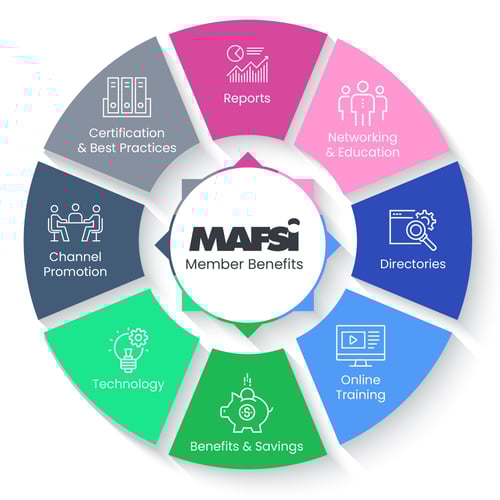
Join Today!